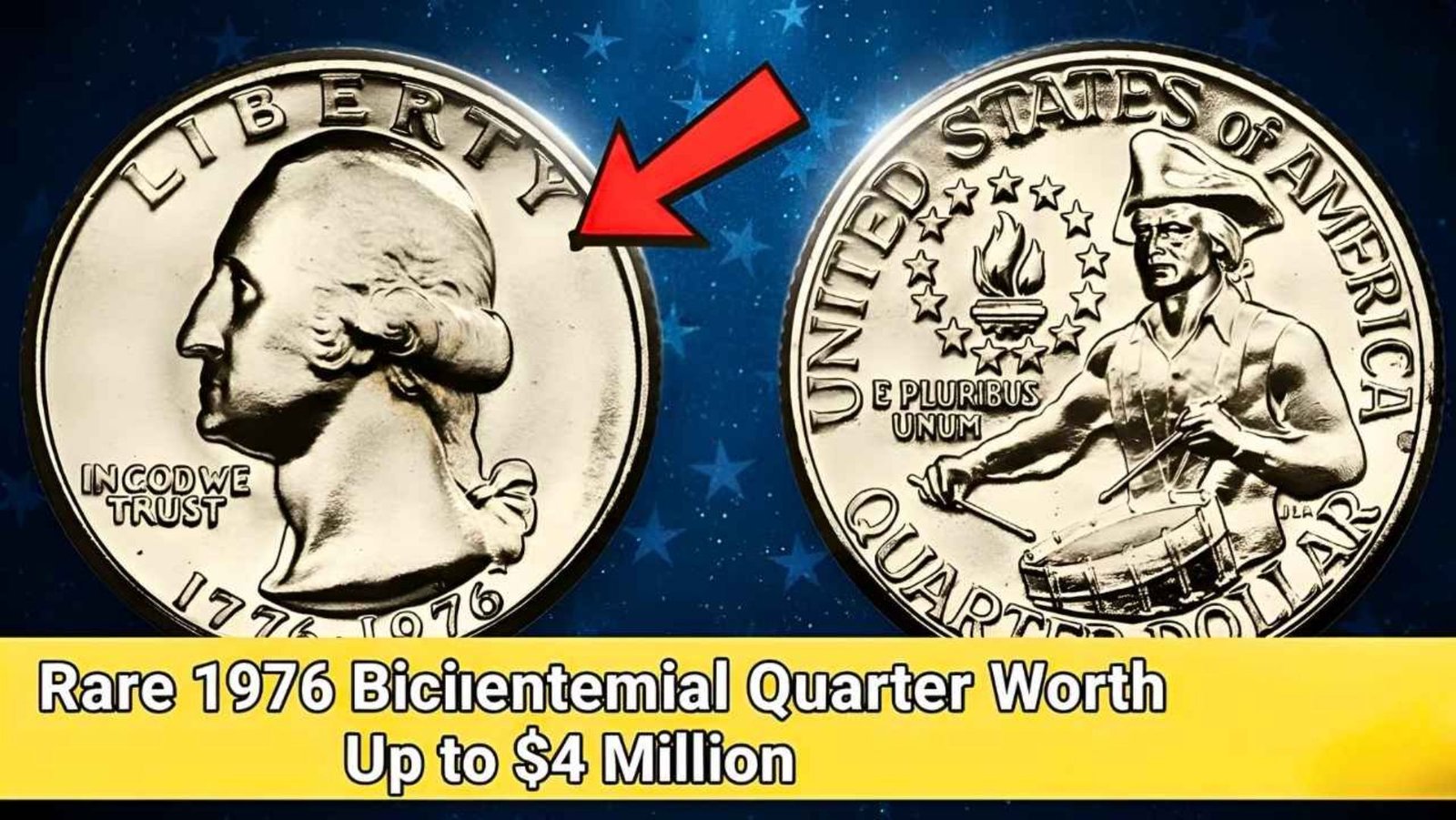
Imagine digging through your grandma’s old coin jar and pulling out a shiny quarter that could change your life forever. That’s the thrill of coin collecting! The 1976 Bicentennial Quarter isn’t just pocket change—some rare versions are rumored to fetch millions. In this guide, we’ll uncover how to spot one, why it’s a collector’s dream, and tips to boost your hobby. Stick around to turn your spare change into a potential fortune.
What Is the 1976 Bicentennial Quarter?
The 1976 Bicentennial Quarter honors America’s 200th birthday. Dated 1776-1976, it features George Washington on the front and a festive drummer boy on the back. Minted in Philadelphia, Denver, and San Francisco, most are common clad coins. But errors or proofs? Those are the rare 1976 Bicentennial quarters that collectors chase.
Over 1.6 billion were made, so everyday ones are cheap. Yet, a tiny fraction hides game-changing flaws making them ultra-valuable coins.
The Fascinating History of the Bicentennial Coin
Back in the 1970s, America buzzed with bicentennial fever. Congress ordered special coins to celebrate independence. The U.S. Mint struck these quarters from 1975 to 1976, blending history with patriotism.
Designed by Dennis R. Williams, the reverse shows a drummer urging minutemen to fight. Silver proofs from San Francisco added luxury. Fun fact: They were the first quarters with a non-eagle reverse since 1932!
Why Valuable Coins Like This Matter Today
In today’s market, rare coin collecting is booming. The 1976 Bicentennial Quarter’s value skyrockets for pristine errors—up to $4 million for mythical prototypes, though most top $5,000. Why? Scarcity drives demand. With inflation and nostalgia, these pieces preserve history and build wealth.
Hobbyists love them for stories they tell. A single find could fund your dreams!
| Condition | Common Clad Value | Rare Error Value |
|---|---|---|
| Circulated | $0.25 | $10–$100 |
| Uncirculated | $1–$5 | $500–$2,000 |
| Proof/High Grade | $5–$20 | $1,000–$6,000+ |
How to Hunt for Rare Quarters in Your Collection
Start simple: Check your change jar or inherited stashes. Look for the dual date 1776-1976. Key? Mint marks: No mark (Philly), D (Denver), S (silver).
Engage by joining clubs or apps like CoinSnap. Sell via eBay or auctions for max profit. It’s easy fun that pays off.
| Feature | Common Version | Rare Version |
|---|---|---|
| Edge | Smooth/Reeded | Off-center strike |
| Design | Crisp drummer | Doubled die obverse |
| Metal | Clad copper-nickel | Full silver proof error |
| Mint Mark | Standard | Missing or filled |
Notable Facts and Auction Highs
Did you know? A 1976-D doubled die sold for $518 in 2007. Silver proofs hit $6,038 at auction. Rumors swirl of experimental metal versions worth millions—unverified but exciting!
Stats: Only 4 million silver ones exist, vs. billions of clad. Top record? Over $45,000 for MS69 gems.
Expert Tips for Aspiring Coin Collectors
Hey, friend—grab a magnifier and good light. Check for doubling on “LIBERTY” or off-center strikes. Store in albums, not jars, to preserve shine. Consult PCGS for grading; it boosts value 10x.
Network at shows. Start small—your first rare find hooks you forever!
Frequently Asked Questions }
How much is a regular 1976 quarter worth?
Just face value, unless it’s high-grade.
What’s the rarest Bicentennial quarter error?
Doubled die or missing mint mark.
Where to sell valuable coins?
Try Heritage Auctions or local dealers.
Are all silver ones rare?
No, but proofs in top condition are.
Can I find one in circulation?
Slim chance, but check old rolls!
Wrapping It Up: Your Ticket to Coin Collecting Adventure
The rare 1976 Bicentennial quarter isn’t just money—it’s a piece of American pride worth chasing. We’ve covered spotting tips, history, and values to get you started. Dust off that jar, hunt smart, and who knows? Your next flip could be epic. Share your finds below, join a club, or explore more valuable coins. Happy collecting!