Imagine digging through an old jar of loose change and pulling out a shiny penny from 1943. Is it just luck, or could it be worth a fortune? Wheat pennies, those classic Lincoln cents with the wheat stalks on the back, have hooked hobbyists for decades. In this 2025 guide, we’ll uncover how their values have surged over the past 10 years—thanks to collector demand and rare finds. Stick around to learn what your coins might be hiding, from everyday keepers to million-dollar errors. Whether you’re a newbie or a seasoned rare coin fan, you’ll walk away ready to hunt smarter.
What Are Wheat Pennies?
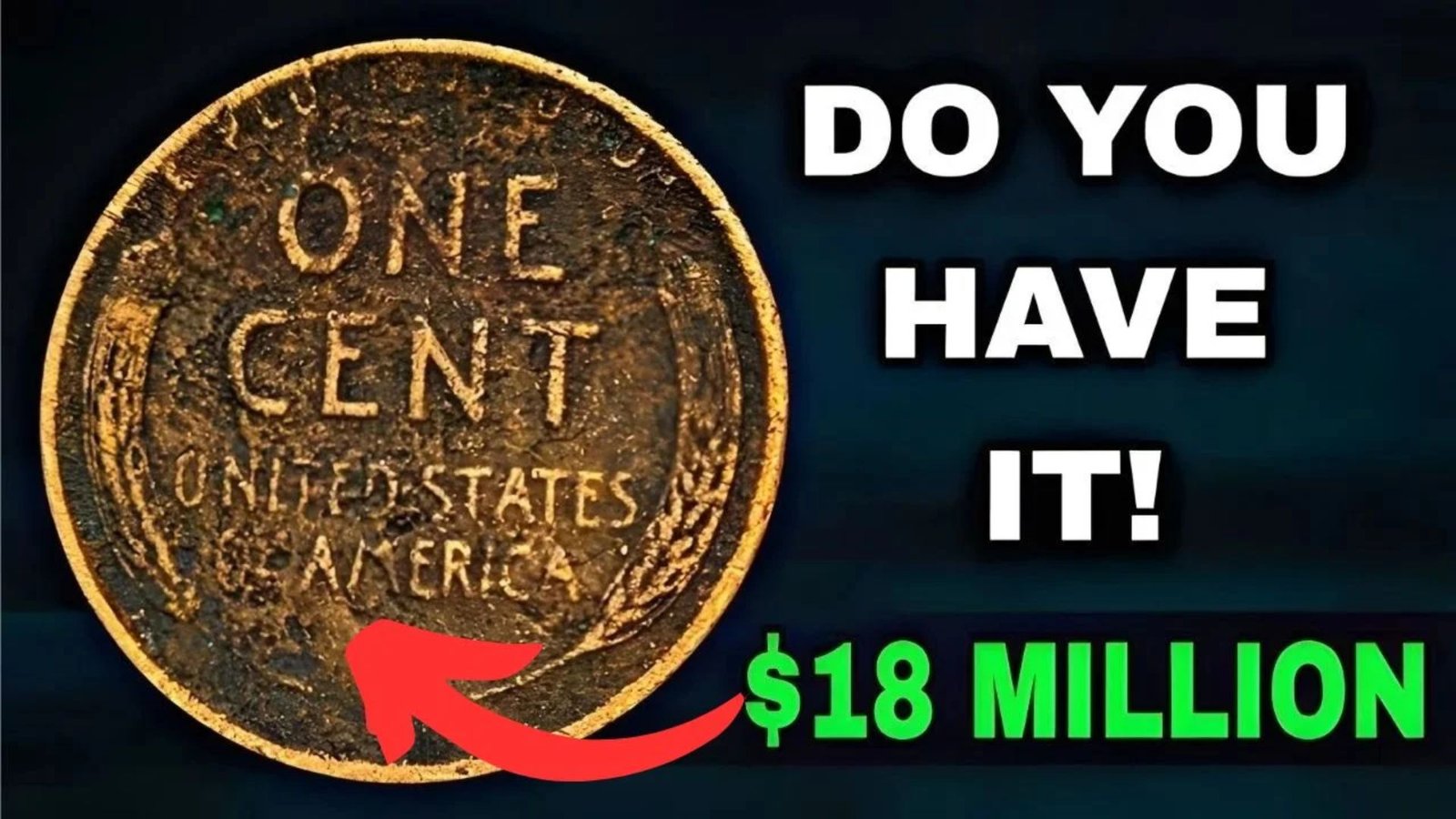
Wheat pennies, or Lincoln Wheat Cents, are those iconic U.S. one-cent coins minted from 1909 to 1958. Front? Abraham Lincoln’s profile. Back? Two wheat stalks framing “ONE CENT.” Simple, right? But that design turns pocket change into pocket treasure for rare coin lovers. Spot one in your drawer, and you might have a winner—especially if it’s from a low-mint year.
These aren’t your modern shielded pennies. They’re 95% copper (except wartime steel ones), giving them that warm, reddish glow. In 2025, with numismatics booming, even common wheat pennies fetch more than face value. Curious about yours? Check the date and mint mark below the year—no mark means Philadelphia; “D” for Denver; “S” for San Francisco.
A Quick History of Wheat Pennies
Born in 1909 to honor Lincoln’s 100th birthday, these coins were designed by Victor David Brenner. His initials on early versions? Big drama—the public thought it was too fancy, so they got yanked fast. Fast-forward through the Great Depression, World Wars, and booms: Wheat pennies powered everyday America.
By 1943, copper shortages led to steel versions—zinc-coated for the war effort. A few bronze slip-ups? Those became legends. Production wrapped in 1959 with the Lincoln Memorial design. Over 50 years, billions were minted, but scarcity in top shape keeps values climbing. It’s like holding a time capsule of 20th-century grit.
Why Wheat Pennies Matter in 2025
In today’s market, wheat pennies are hot. Why? Collector interest exploded online, with apps and auctions driving bids. Rare ones symbolize history—think wartime errors amid global chaos. Plus, as inflation bites, tangible assets like rare coins shine.
Values have jumped 6.5% yearly since 2015, per numismatic indexes. Common circulated pieces? Up from 2-3 cents to 30 cents-$1.50. Uncirculated? $6-$12 now. But keys like the 1909-S VDB? They hit six figures. For hobbyists, it’s not just money—it’s connecting to the past while building a fun, low-entry collection.
How to Value and Collect Wheat Pennies
Ready to cash in? Start with condition: Worn (Good) vs. pristine (Mint State). Use a magnifier for date, mint, and errors like doubled dies. Apps like PCGS CoinFacts give quick 2025 estimates.
Hunt smart: Buy penny rolls at banks (50 cents for 50 coins) or scan eBay for deals. Build a set chronologically—1909-1958 runs $200-$500 in average grade. Sell via Heritage Auctions for max bucks; graded coins fetch 2-3x more.
| Common Wheat Penny Values (Circulated, 2025) | 2015 Price | 2025 Price | Change |
|---|---|---|---|
| 1940s-1950s Dates | $0.02-$0.03 | $0.30-$1.50 | +5000% |
| 1930s Semi-Keys | $1-$2 | $5-$10 | +400% |
| Uncirculated Commons | $0.10 | $6-$12 | +1100% |
This table shows the steady climb—perfect for spotting trends in your stash.
Notable Wheat Penny Facts and Records
Did you know? The 1943 bronze error—struck on leftover copper during steel production—tops $1.75 million at auction. Only 20-30 exist! Or the 1909-S VDB: First with designer’s initials, mintage under 500,000, now $100,000+ in red MS65.
Key dates like 1914-D (1.2 million minted) hit $200,000 in top grade. Fun stat: Over 40% of 2025 sales are international, up from 12% in 2015. These aren’t just coins—they’re auction-block stars.
| Top Rare Wheat Pennies (Auction Records, 2025 Est.) | Key Feature | Record Sale |
|---|---|---|
| 1943-D Bronze | Wartime Error | $1.75M |
| 1909-S VDB | Low Mintage | $168,000 |
| 1914-D | Key Date | $200,000+ |
| 1955 Doubled Die Obverse | Variety | $125,000 |
Scroll down for more on these gems—your next find could be here!
Expert Tips for Wheat Penny Hunters
Don’t clean ’em—rubbing kills luster and value. Store in albums, away from air. Budget $50/month for commons; splurge on keys later. Join Reddit’s r/coins for swaps and stories.
Pro move: Get PCGS/NGC grading for anything pre-1920. Watch for fakes—test weight (bronze: 3.11g, steel: 2.7g). And chat with dealers; they spill on hot 2025 trends like war errors.
Frequently Asked Questions
What’s the most valuable wheat penny in 2025?
The 1943 bronze—up to $1.75 million for authenticated gems.
Are all wheat pennies worth money?
Most commons are 30 cents-$1, but rarities soar. Check condition!
How have prices changed since 2015?
Up big: Commons from pennies to dollars; keys doubled or more.
Where to sell my wheat pennies?
eBay for quick flips; auctions like Heritage for records.
Can I find wheat pennies in circulation?
Rarely, but bank rolls or yard sales yield surprises.
Wrapping up, wheat pennies prove history’s no dusty relic—it’s appreciating right in your pocket. From 2015’s modest cents to 2025’s surging values, these coins blend nostalgia with real gains. Key takeaway: Inspect your stash, grade the keepers, and dive into rare coin collecting. Got a hidden treasure? Share in the comments or hit up a local club. What’s your best find? Explore our rare coin guides next—happy hunting!