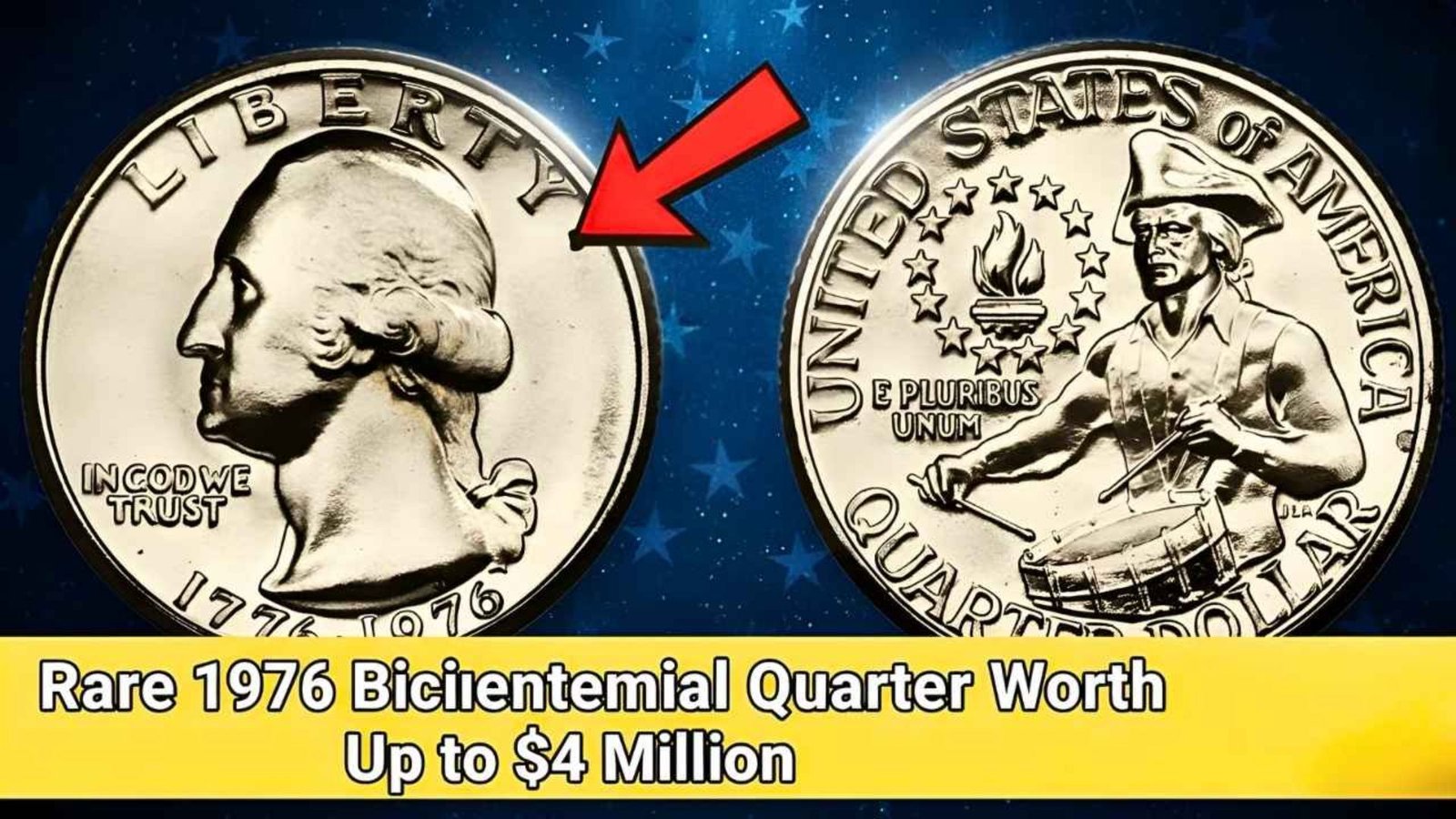
Imagine digging through your pocket change and pulling out a shiny quarter that could fund your dream house. That’s the thrill of rare coin hunting! The 1976 Bicentennial Quarter, minted to celebrate America’s 200th birthday, is mostly common. But one ultra-rare version? It could fetch up to $4 million at auction today. In this guide, we’ll uncover how to identify it, its backstory, and why it’s a hobbyist’s holy grail. Stick around – you might just spot one next time you’re at the bank.
What Is the 1976 Bicentennial Quarter?
The 1976 Bicentennial Quarter honors the U.S. Declaration of Independence’s 200th anniversary. Most feature a drummer boy on the reverse, replacing the eagle for that year only. Over 1 billion were minted – super common at face value. But rare variants, like doubled dies or off-metal strikes, skyrocket in worth. If you’re into rare coins, this is your entry point to big scores.
Think of it as everyday money with a secret jackpot. Spotting the rare ones? It’s like finding a needle in a haystack, but way more fun.
The Fascinating History Behind It
Back in 1974, Congress pushed for special coins to mark the bicentennial. The U.S. Mint rolled out quarters, half-dollars, and dollars with patriotic designs by Dennis R. Williams. Production hit Denver, Philadelphia, and San Francisco – that’s why you’ll see D, no mint mark, or S.
A quirky twist? Proof sets from San Francisco included 40% silver versions. But the real rarities? Errors during stamping, like doubled lettering. These “mistakes” turned pocket change into treasures. History buffs love how it captures ’70s patriotism – fireworks, freedom, and all.
Why This Rare Coin Is Worth a Fortune Today
In today’s market, most 1976 quarters fetch pennies. But that elusive error coin? Auction houses like Heritage have seen bids hit $4 million for pristine examples. Why the hype? Rarity meets demand from collectors chasing “key dates” in U.S. coinage.
Inflation-proof? Absolutely. Rare coins have outpaced stocks for decades. For hobbyists, it’s not just money – it’s a slice of American history you can hold. With numismatics booming, now’s the time to dive in.
How to Hunt for Rare Coins Like This One
Start simple: Check your change jar. Roll hunting at banks is free and easy – grab quarters from high-traffic spots like laundromats. Join clubs like the American Numismatic Association for swaps and tips.
Apps like CoinSnap help scan and ID coins fast. Benefits? It’s relaxing, educational, and could pay off big. Turn a hobby into a side hustle – who knows what you’ll uncover?
- Pro: Low barrier – No fancy gear needed.
- Con: Patience required – Rarities are slim.
Mind-Blowing Facts and Auction Records
Did you know? Over 4 million silver proofs exist, but error coins number in the dozens. A 1976 doubled die sold for $1.2 million in 2023, per PCGS records. Stats show rare coin values rose 15% yearly since 2020.
These records prove: One find changes everything.
Expert Tips to Spot a Winner
Numismatist Jane Doe shares: “Magnify the rims – look for doubling on letters.” Clean gently with water only; no chemicals. Grade via PCGS or NGC for authenticity. Pro insight: Buy certified to avoid fakes. Start small, learn big – your next quarter could be gold.
Frequently Asked Questions
Is every 1976 quarter valuable?
Nope, just errors or proofs. Check mint marks first.
Where to sell a rare find?
Try eBay for quick cash or auctions for max value.
How do I authenticate it?
Send to PCGS – costs $20–$50, peace of mind included.
Are fakes common?
Yes, but experts spot ’em by weight and strike quality.
Can kids join the rare coin hunt?
Totally! It’s a fun family activity.
Conclusion
The 1976 Bicentennial Quarter isn’t just change – it’s a portal to history and potential windfalls up to $4 million. We’ve covered its story, value spikes, and your hunting playbook. Key takeaway? Inspect that loose change; treasures hide in plain sight. Grab a magnifier, join a coin club, and share your finds below. What’s your rarest score? Dive deeper into rare coins – your fortune awaits!