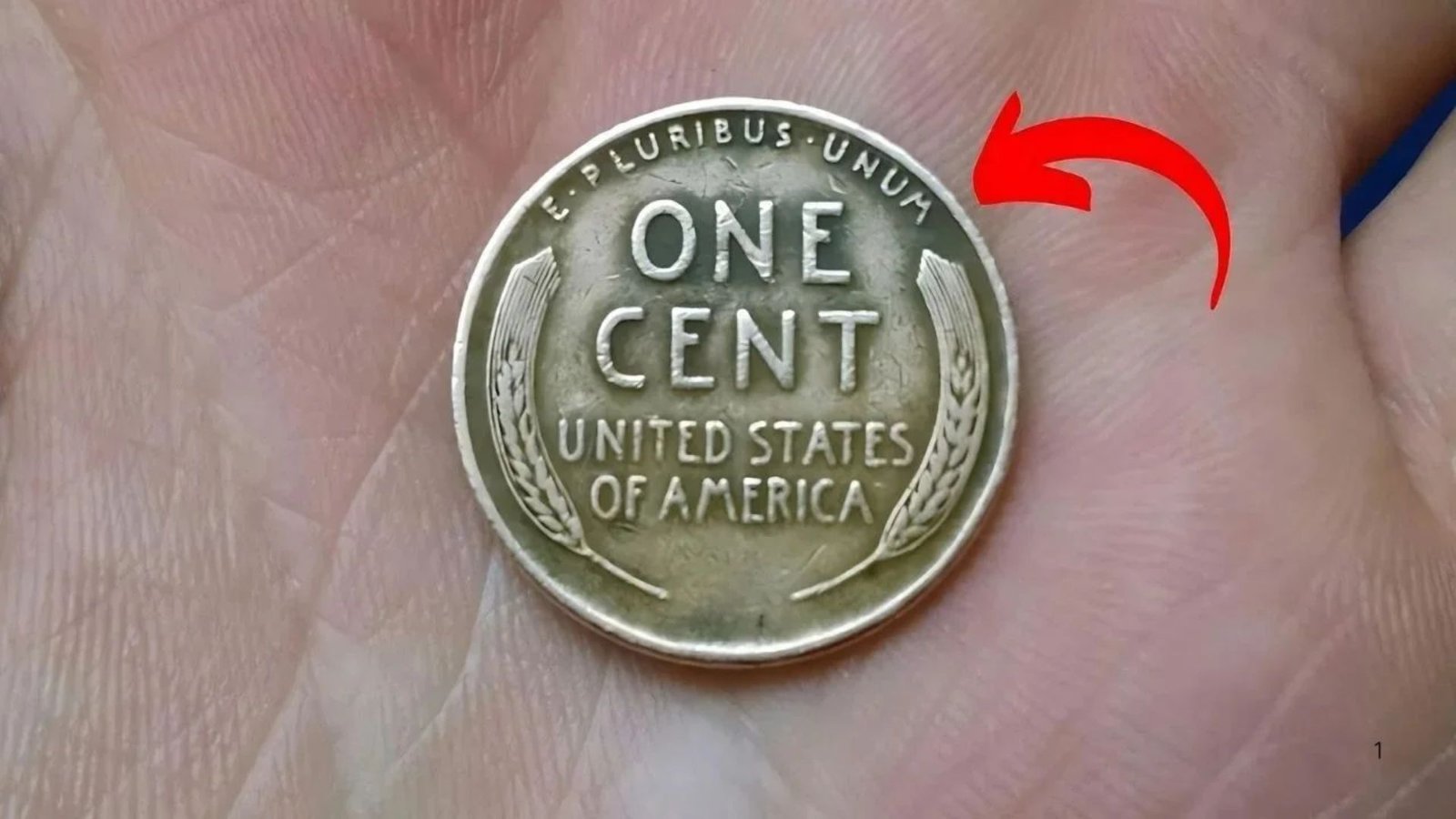
The Lincoln Wheat Penny (or “wheat cent”) is the classic U.S. one-cent coin minted from 1909 to 1958. Designed by Victor David Brenner, it shows Abraham Lincoln on the front and two wheat stalks on the reverse — that’s where the nickname comes from. Over 35 billion were made, so most are worth… exactly one cent.
The History of the Iconic Wheat Cent (1909–1958)
Released in 1909 to celebrate Lincoln’s 100th birthday, the wheat penny was the first U.S. coin to feature a real person. It replaced the Indian Head cent and ran for 50 years until the Memorial reverse debuted in 1959. Fun fact: the designer’s initials “VDB” caused a scandal in 1909 and were temporarily removed!
Why One 1943 Bronze Penny Sold for Over $1 Million
In 1943, pennies were supposed to be struck in zinc-coated steel to save copper for WWII. A handful (about 20 known) were accidentally made in bronze. These ultra-rare error coins are the holy grail. The finest example sold for $1.7 million in 2019 — still the record, not $11 million.
The $11 Million Myth: Where Did That Number Come From?
You’ve probably seen viral headlines screaming “$11 million penny!” That number usually comes from wildly exaggerated clickbait or misreported private sales that never happened. The actual top public auction price remains under $2 million. Don’t believe everything you read on Facebook!
Top 10 Most Valuable Lincoln Wheat Pennies Ever Sold
| Rank | Year & Mint | Key Feature | Record Sale Price | Year Sold |
|---|---|---|---|---|
| 1 | 1943-D Bronze | Only known Denver bronze | $1.7 million | 2010 |
| 2 | 1943-S Bronze | San Francisco error | $1.0 million | 2019 |
| 3 | 1944-S Steel | Wrong planchet wartime error | $373,750 | 2008 |
| 4 | 1909-S VDB | Lowest mintage, famous initials | $252,000 | 2023 |
| 5 | 1914-D | Key date, only 1.2M minted | $230,000 | 2022 |
| 6 | 1922 No D | Missing mint mark error | $192,000 | 2021 |
| 7 | 1955 Doubled Die | Dramatic doubling on date/Liberty | $124,000 | 2018 |
| 8 | 1931-S | Only 866,000 minted | $105,000 | 2023 |
| 9 | 1909-S | First year, low mintage | $95,000 | 2022 |
| 10 | 1943 Bronze (generic) | Any bronze 1943 | $204,000–$840,000 | Various |
How to Spot a Rare Wheat Penny in Your Change
- Check the date first — 1909-S VDB, 1914-D, 1922 No-D, 1931-S, and any 1943 bronze are instant winners.
- Look for doubled die errors (especially 1955).
- Weigh 1943 pennies — steel ones are magnetic and lighter (2.7g vs 3.11g for bronze).
- Use a 10x loupe to check for tiny mint marks under the date.
Expert Tips: Should You Start Coin Roll Hunting?
Absolutely — it’s free and fun! Ask your bank for “customer-wrapped” penny rolls. Focus on 1909–1939 for key dates and 1940–1958 for errors. One collector found a 1943 bronze in a roll in 2019 — it happens!
FAQs About Rare Lincoln Wheat Pennies
Q: Can a regular wheat penny be worth big money?
A: Yes! Even common dates in perfect MS-68+ grade can fetch $500–$5,000.
Q: Where’s the safest place to sell a rare penny?
A: Major auction houses like Heritage Auctions, Stack’s Bowers, or GreatCollections.
Q: Is the $11 million penny real?
A: No verified sale has ever reached that number. The current record is $1.7 million.
Final Thoughts: Your Pocket Change Could Be Worth a Fortune
The Lincoln Wheat Penny proves that treasure can hide in plain sight. While the $11 million headlines are pure clickbait, real million-dollar examples do exist — and thousands of five- and six-figure coins are still out there. Next time you get pennies back, take 10 seconds to check the date. Who knows? Your coffee change might just pay for the coffee shop. Start looking today — and let me know in the comments if you find anything good!