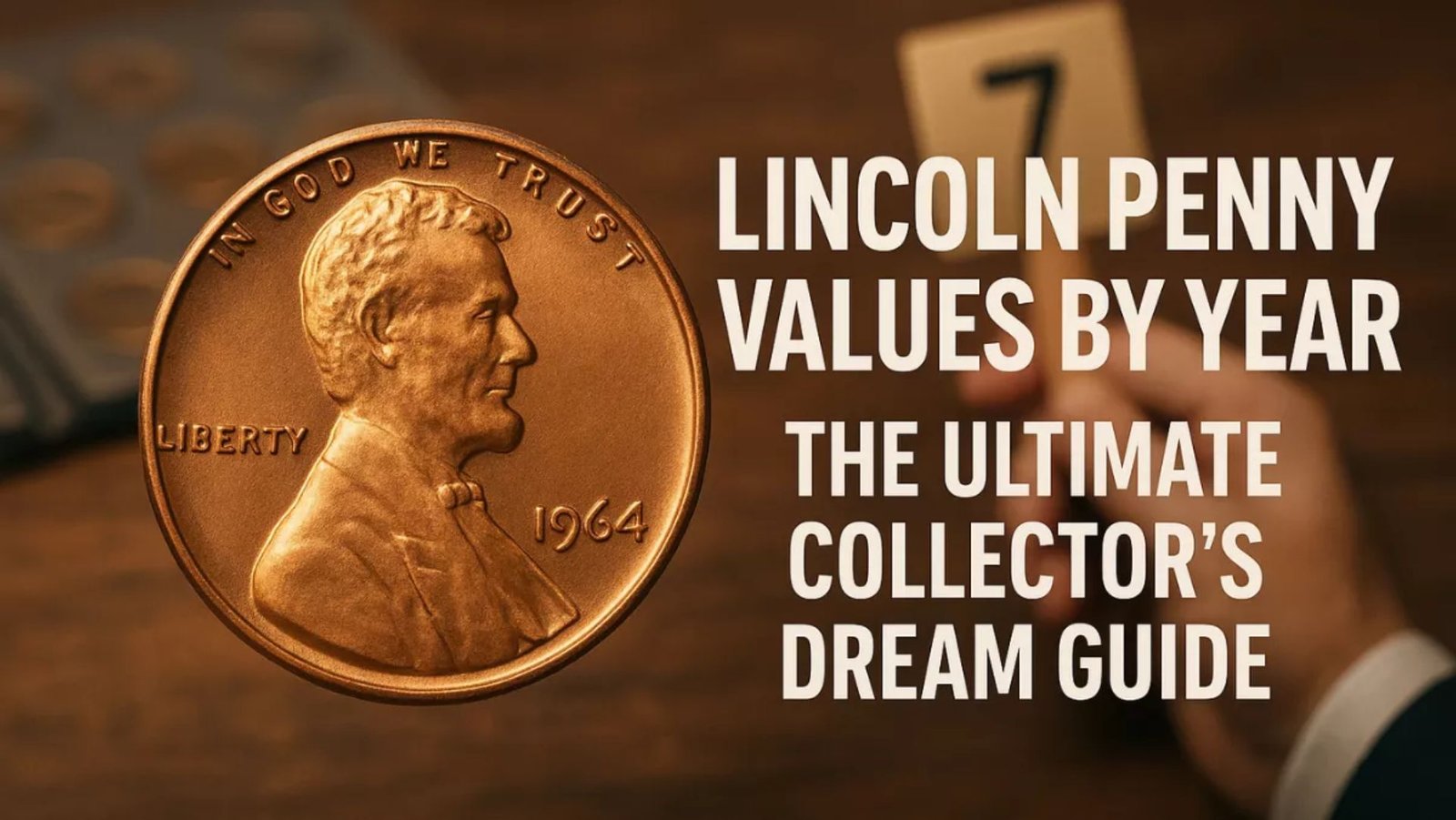
Ever dug through a jar of loose change and wondered if that dusty old penny could be a hidden gem? You’re not alone. Lincoln pennies, those humble one-cent coins, pack a punch for collectors. From everyday finds to rare treasures worth thousands, this guide dives into Lincoln penny values by year. Stick around to uncover history, hot tips, and a roadmap to building your own rare coin collection. You might just spot a winner in your pocket!
What is the Lincoln Penny?
The Lincoln penny is the U.S. one-cent coin featuring Abraham Lincoln’s portrait. It’s been minted since 1909, making it a staple in pockets and collections alike.
Wheat vs. Memorial Designs
Early versions (1909-1958) show wheat stalks on the reverse—hence “wheat pennies.” In 1959, it switched to the Lincoln Memorial, celebrating his legacy. Both designs fuel the rare Lincoln cents craze.
A Brief History of the Lincoln Cent
Born in 1909 to honor Lincoln’s 100th birthday, the wheat penny was the first U.S. coin with a real person’s face. Designer Victor David Brenner added his initials, sparking controversy. Over decades, it evolved through metal changes—like steel in WWII—and design tweaks.
Why Lincoln Pennies Matter Today
In a digital world, these coins connect us to history. With pennies phased out by late 2025 due to rising costs, demand for rare Lincoln pennies surges. Collectors chase nostalgia and potential windfalls—think $1 million sales for top errors!
Unlocking Lincoln Penny Values by Year
Values swing wildly based on condition, mint marks, and errors. Here’s a snapshot of key wheat pennies (1909-1958) in good condition.
| Year & Variety | Estimated Value | Why It’s Rare |
|---|---|---|
| 1909-S VDB | $600–$1,300 | Low mintage, designer’s initials |
| 1914-D | $150–$2,000 | Scarce Denver mint run |
| 1922 No “D” | $500–$10,000 | Mint mark error |
| 1931-S | $50–$300 | Low production year |
| 1955 Doubled Die | $1,000–$20,000 | Dramatic doubling error |
For modern Memorial cents (1959+), focus on these gems.
| Year & Variety | Estimated Value | Why It’s Rare |
|---|---|---|
| 1969-S Doubled Die | $35,000–$100,000 | Famous error, low survival |
| 1972 Doubled Die | $200–$500 | Clear doubling on date |
| 1984 Doubled Die Ear | $250–$1,000 | Subtle ear lobe error |
| 1995 Doubled Die | $50–$300 | Obvious doubling |
| 2025 Final Issue | $1–$5 (now) | Last circulating batch |
Prices fluctuate—check PCGS or NGC for updates.
How to Start Collecting Lincoln Cents
Dive in affordably! Sort pocket change for wheat pennies or buy rolls from banks. Join clubs like the American Numismatic Association for swaps and stories. Your rare coin journey starts small but grows epic.
Fun Facts and Records
Did you know? The 1943 bronze cent, struck by mistake during steel production, fetched $1.7 million at auction. Over 300 billion Lincoln cents exist, but errors like the 1955 doubled die make headlines. Fun stat: Pennies cost 3.7 cents to make by 2025—goodbye, copper!
Expert Tips for Rare Coin Hunters
Examine edges for doubled dies—use a magnifying glass. Avoid cleaning coins; it slashes value. Hunt estate sales or eBay, but verify with apps like CoinSnap. Store in albums to protect your finds. Patience pays—many treasures hide in grandma’s jar!
Frequently Asked Questions
What’s the most valuable Lincoln penny?
The 1943 bronze error tops lists at up to $2 million.
How do I grade my penny?
Use scales from Poor to Mint State; apps help beginners.
Are 2025 pennies collectible?
Yes! As the last, they’ll rise in value fast.
Where to sell rare Lincoln cents?
Try Heritage Auctions or local shops for fair deals.
Lincoln pennies aren’t just change—they’re time capsules of American grit. You’ve got the guide to spot wheat penny values and chase rare Lincoln cents. Grab that magnifier, raid your drawers, and start your collection today. Share your finds in comments or explore Indian Head cents next. Happy hunting!