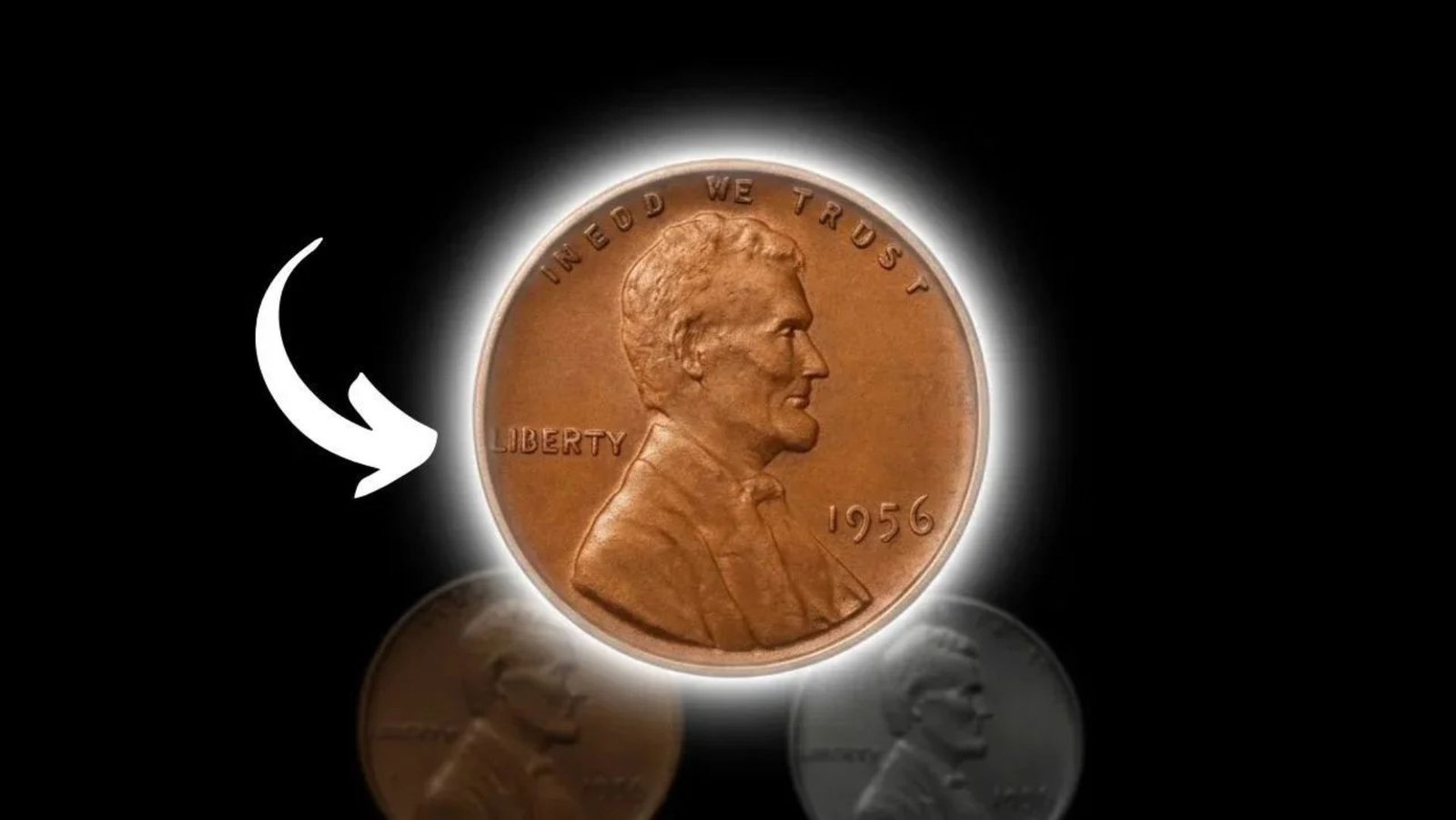
Imagine digging through an old jar of coins and pulling out a shiny 1943 penny that could be worth thousands. That’s the thrill of wheat penny collecting! These humble Lincoln cents, with their iconic wheat stalks on the back, have turned from pocket change into hot items for hobbyists. Over the last decade, wheat penny values have climbed thanks to surging collector interest and rare finds. Stick around as we break down the trends, spot the gems, and show you how to cash in on your stash.
What Are Wheat Pennies? A Quick Intro
Wheat pennies, or Lincoln Wheat Cents, ran from 1909 to 1958. They’re bronze coins featuring Abe Lincoln up front and wheat ears on the reverse—symbolizing America’s farm roots. Most are common, but mint marks (like D for Denver or S for San Francisco) and condition make them rare coins worth chasing.
The Fascinating History of Wheat Pennies
Born in 1909 to honor Lincoln’s 100th birthday, these pennies were designed by Victor David Brenner. Early ones had drama: the 1909-S VDB version got yanked quick due to the designer’s initials. By the 1950s, billions circulated, but wars and metal shortages created oddities like steel cents in 1943. Today, they’re a snapshot of U.S. history.
Why Wheat Penny Values Matter Today
In 2015, a typical circulated wheat penny fetched just 5-10 cents. Fast-forward to 2025, and values have jumped 20-50% for many dates, driven by online auctions and pandemic hobby booms. Rare coin collectors love them for affordability and potential windfalls—perfect for beginners eyeing big returns.
How to Hunt and Value Your Wheat Pennies
Start simple: Sort through family jars or buy bank rolls for 50 cents. Check dates and marks under good light. Use apps like PCGS CoinFacts for quick wheat penny value checks. Sell on eBay or at shows—clean gently with a soft cloth to boost appeal. It’s low-stakes fun that could pay off.
Wheat Penny Value Chart: Current 2025 Estimates
Here’s a snapshot of average circulated (worn) vs. uncirculated (minty) values for select years. Prices in USD.
| Year | Mint | Circulated Value | Uncirculated Value |
|---|---|---|---|
| 1909 | P | $2.50 | $15.00 |
| 1914 | D | $210.00 | $3,000.00 |
| 1922 | No D | $660.00 | $17,300.00 |
| 1931 | S | $80.00 | $170.00 |
| 1944 | P | $0.10 | $2.00 |
| 1955 | D | $0.05 | $1.50 |
Source: Approximate retail based on recent sales.
Key Stats and Record-Breaking Sales
Over 10 years, key date wheat pennies like the 1909-S VDB saw values double in high grades. A 1943 bronze error sold for $840,000 in 2023—up from $300,000 a decade prior. Common 1940s coins? Up 30% on average.
Value Trends: 2015 vs. 2025 for Key Dates
| Date | 2015 Circ. Value | 2025 Circ. Value | % Increase |
|---|---|---|---|
| 1909-S VDB | $400 | $800 | 100% |
| 1914-D | $100 | $210 | 110% |
| 1922 No D | $300 | $660 | 120% |
| 1931-S | $40 | $80 | 100% |
Estimates from auction data trends.
Expert Tips for Smart Collecting
Grade honestly—use a magnifier for wear. Store in albums to avoid scratches. Join clubs like the ANA for swaps. Focus on “key dates” first; they’re the rare wheat pennies with real upside. And remember, patience pays—values rise with time.
Frequently Asked Questions
What’s the most valuable wheat penny?
The 1943-S bronze cent, topping $1 million in top shape.
How do I know if my penny is rare?
Look for low-mintage years like 1909-S or errors like doubled dies.
Are wheat pennies still being made?
No, production ended in 1958, but they’re hot in the rare coin market.
Wheat penny values over the past 10 years prove these tiny treasures pack big potential. From humble starts to collector darlings, they’ve grown in worth and wonder. Grab that old roll, check your dates, and dive into coin collecting—you might uncover a gem. Share your finds in the comments or explore more rare coin guides. Happy hunting!