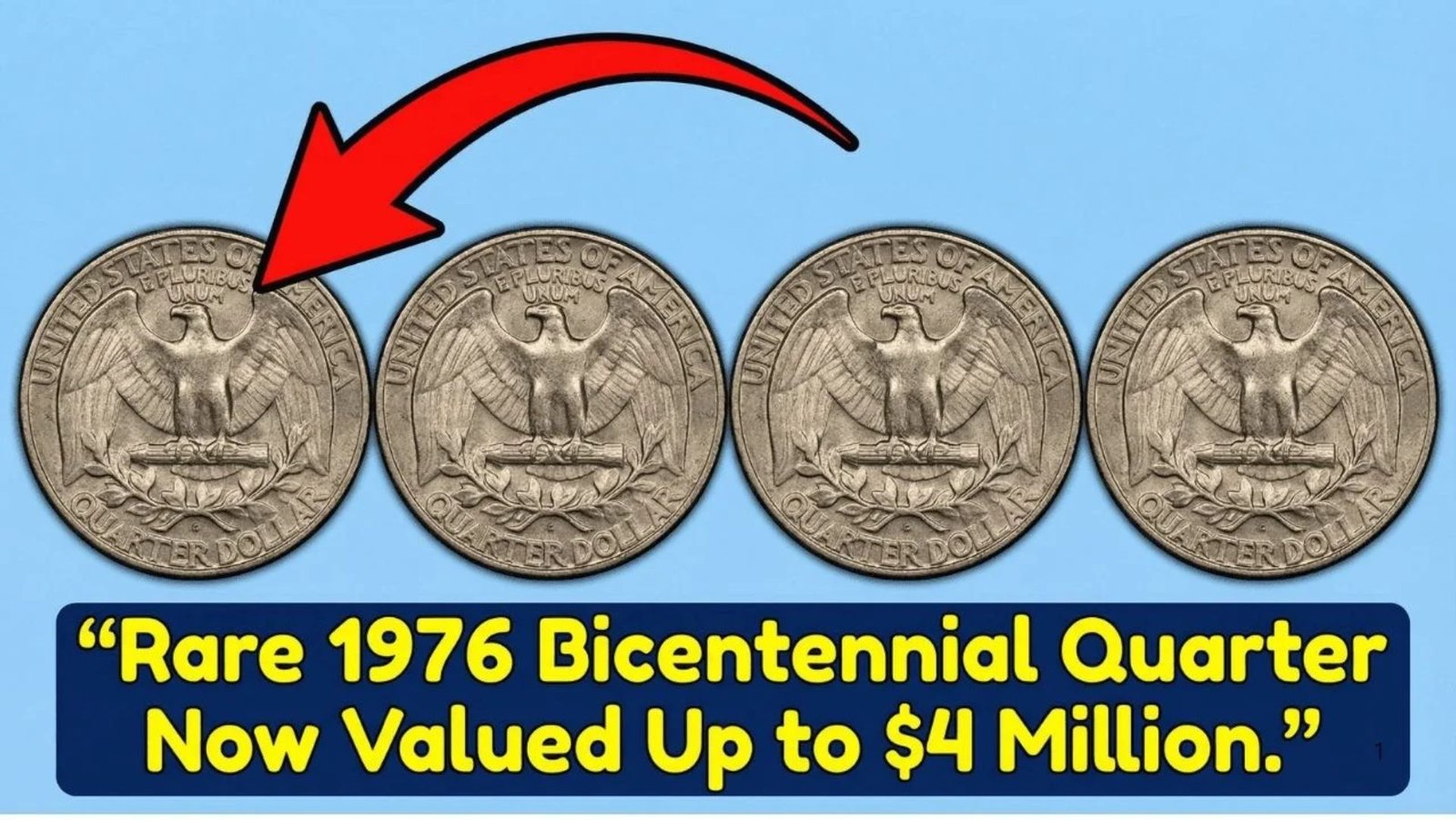
Imagine digging through your grandma’s old coin jar and pulling out a shiny quarter from 1976. It’s just pocket change, right? Wrong. That little Bicentennial beauty could be a hidden gem worth thousands—or even millions if it’s one of the ultra-rare errors. As a coin hobbyist, I’ve chased these treasures myself, and today I’ll show you how to identify rare 1976 Bicentennial quarters that collectors are buzzing about. Stick around to uncover the history, spot the signs, and maybe find your own jackpot.
What Is the 1976 Bicentennial Quarter?
The 1976 Bicentennial quarter honors America’s 200th birthday. It flips the script on the usual design: George Washington’s face stays on the front, but the back swaps the eagle for a drummer boy with a torch and stars. The date? A cool dual “1776-1976.” Minted in huge numbers—over a billion—most are common clad coins worth 25 cents. But rare errors turn them into gold for collectors.
These quarters come in three mints: Philadelphia (no mark), Denver (D), and San Francisco (S, often silver). Spotting the rare ones starts with checking your change jar.
The Fascinating History Behind These Coins
Back in the 1970s, America was all about patriotism. The Bicentennial celebration kicked off with fireworks, parades, and yes, special coins. Congress greenlit the design in 1974, picking artist Jack L. Ahr’s drummer boy to symbolize the Revolution’s spirit.
The U.S. Mint cranked them out from 1975 to 1976, delaying release for the big party. Silver versions were collector hits, but a few slipped into circulation by mistake. That’s where the real stories—and values—begin.
Why Rare Bicentennial Quarters Are Valuable Today
In today’s market, rare coin hunting is hotter than ever. These quarters blend history with scarcity. A pristine error coin isn’t just metal; it’s a minting mishap frozen in time. With inflation and collector demand rising, values soar—think silver premiums plus error excitement.
For hobbyists, they’re affordable entry points to numismatics. A common one costs pennies, but a doubled die? That could fund your next vacation.
| Variety | Typical Value (Circulated) | High-Grade Value (MS68+) |
|---|---|---|
| Standard Clad (No Errors) | $0.25–$1 | $5–$50 |
| Silver Proof (S Mint) | $5–$10 | $100–$500 |
| Doubled Die Obverse | $50–$200 | $1,000–$10,000 |
| Off-Center Strike Error | $100–$500 | $2,000+ |
How to Hunt for and Identify Rare Varieties
Ready to play detective? Grab a magnifying glass and scan your coins. Start with the date: It should read “1776-1976” clearly. Check the mint mark below Washington—D for Denver, S for silver potential.
Look for errors: Doubling on “LIBERTY” or “IN GOD WE TRUST” screams doubled die. Off-center strikes show incomplete designs. Silver ones feel heavier and ring differently when tapped.
Pro tip: Use good lighting and compare to online images. If it looks odd, it might be worth a pro check.
| Error Type | Key Signs to Spot | Why It’s Rare |
|---|---|---|
| Doubled Die Obverse | Thick, doubled letters on front | Die shift during minting; only hundreds known |
| Off-Center Strike | Design shifted, missing edges | Planchet misalignment; under 1% survival rate |
| Silver Clad Error | Heavier weight, 40% silver shine | Meant for proofs, accidentally circulated |
| Struck Through Grease | Bumpy, incomplete details | Foreign material in die; unpredictable value boost |
Notable Auction Records and Stats
Bicentennial quarters have smashed records. A 1976-D doubled die sold for $6,463 at Heritage Auctions. Silver errors hit $2,880 at Stack’s Bowers. Only 13 MS68 graded by PCGS exist—talk about scarcity!
Stats show: Over 3,000 graded by PCGS, but errors like FS-101 doubled die? Just 59. These numbers fuel the hype in the rare coin community.
Expert Tips for Coin Collectors
As a fellow hobbyist, here’s my advice: Store finds in albums, away from air. Get PCGS or NGC grading for suspects—it’s worth the fee. Join forums like CoinTalk for swaps. And always buy certified to avoid fakes.
Hunt bank rolls or estate sales; that’s where I scored my first error. Patience pays off.
Frequently Asked Questions (FAQs)
Q: Are all 1976 quarters valuable?
A: Nope, most are face value. Only errors or high grades boost worth.
Q: How do I know if mine is silver?
A: Weigh it—should be 6.25 grams vs. 5.67 for clad. Or test with a magnet (silver won’t stick).
Q: What’s the most expensive Bicentennial quarter sold?
A: A pristine silver error topped $45,000, but rumors swirl around $4 million private sales.
Q: Where to sell a rare find?
A: eBay for quick cash, auctions like Heritage for max value.
Q: Can I find one in circulation today?
A: Slim chance, but possible—keep checking change!
There you have it: Your guide to unearthing a rare 1976 Bicentennial quarter that could change your fortunes. These coins aren’t just history; they’re potential windfalls for savvy collectors. Dust off that jar, grab your magnifier, and start hunting. Who knows? Your next quarter might be worth a million. Share your finds in the comments, and check out our rare coin guides for more thrills!