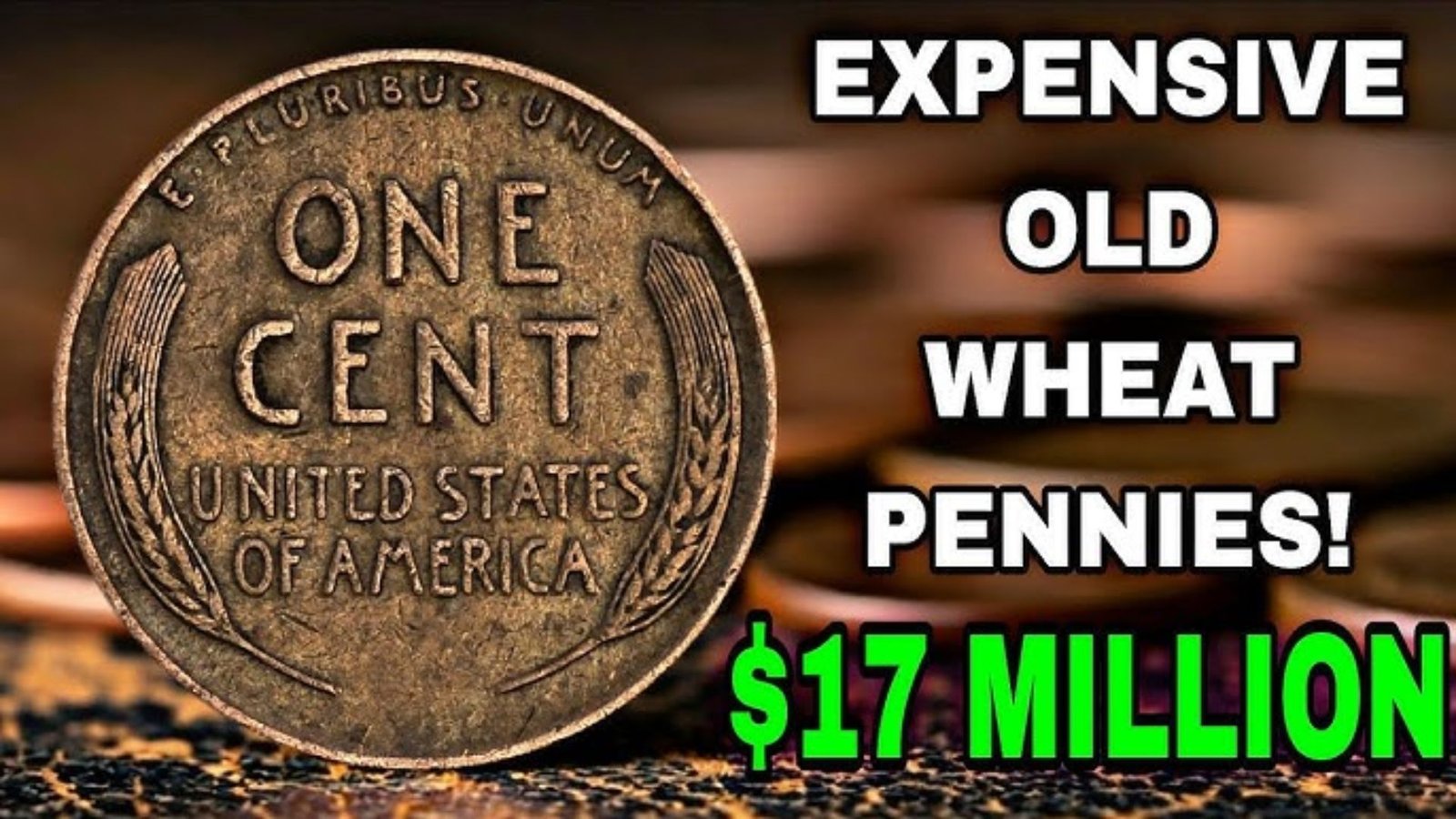
Wheat pennies (1909–1958) are the classic Lincoln cents with two wheat stalks on the reverse. Most are worth only face value, but a handful of rare dates, mint marks, and errors turn them into five- and six-figure treasures.
A Quick History of the Iconic Wheat Cent
Designed by Victor David Brenner to celebrate Lincoln’s 100th birthday, the wheat penny debuted in 1909. It replaced the Indian Head cent and ran until 1958 when the Memorial reverse took over. Over 35 billion were minted – but tiny mintages and famous errors created today’s superstars.
Why Some Wheat Pennies Are Insanely Valuable Today
Rarity + condition + historical mistakes = big money. Low mintages during the Great Depression, famous doubling errors, and steel vs. copper mix-ups make certain dates the holy grails of small-change collecting.
The Top 10 Most Valuable U.S. Wheat Pennies (2025 Values)
- 1943 Bronze (any mint) – $100,000–$2,000,000
- 1944 Steel Penny – $50,000–$375,000
- 1955 Double Die Obverse – $1,000–$125,000
- 1909-S VDB – $700–$60,000
- 1914-D – $150–$50,000
- 1922 No D (Plain) – $500–$45,000
- 1931-S – $75–$25,000
- 1909-S – $300–$15,000
- 1917 Double Die Obverse – $150–$12,000
- 1943-S Bronze – $90,000–$500,000+
Price Comparison Table: Common vs. Rare Wheat Pennies
| Coin Year/Mint | Common Circulated | Good Condition | MS65+ Gem | Record Sale |
|---|---|---|---|---|
| 1943 Bronze (error) | — | — | — | $2.0 Million |
| 1955 Doubled Die | $800–$1,200 | $1,500 | $40,000+ | $125,000 |
| 1909-S VDB | $700 | $1,000 | $10,000+ | $168,000 |
| 1944 Steel (error) | — | — | — | $375,000 |
| Regular 1940s Wheat | 3–10¢ | 25–50¢ | $5–$20 | — |
Rarity & Mintage Table (Key Dates)
| Year | Mint | Mintage | Why Rare |
|---|---|---|---|
| 1909-S | VDB | 484,000 | Lowest mintage with designer initials |
| 1914-D | Denver | 1.19 million | Low Denver production |
| 1922 | No D | Unknown error | Mint mark missing |
| 1931-S | San Fran | 866,000 | Depression-era low mintage |
| 1955 | DDO | Error | Dramatic doubled die |
How to Hunt for Valuable Wheat Pennies Yourself
- Check rolls from the bank (yes, people still find 1955 DDOs!)
- Buy old Whitman folders at estate sales
- Search your childhood jar – many million-dollar coins came from pocket change decades ago
Expert Tips to Avoid Fakes & Maximize Value
- Use a 10x loupe to check dates and mint marks
- Never clean coins – it destroys value
- Get rare finds graded by PCGS or NGC
- Look twice at 1943 copper and 1944 steel – most are altered fakes
Notable Records & Crazy Auction Prices
The current record? A 1943-D bronze penny sold for $2.0 million in 2024. A single 1955 doubled die once traded hands for $125,000 in MS66 condition.
FAQs About Rare Wheat Pennies
Q: Are wheat pennies still in circulation?
A: Yes! Millions are still out there – especially 1940s and 1950s dates.
Q: How can I tell if my 1943 penny is bronze or steel?
A: Steel sticks to a magnet. Bronze does not.
Q: Is the 1943 copper penny real?
A: Only about 20 are known – all struck by accident.
Final Thoughts – Start Looking Today!
Your next coffee change could contain a five- or six-figure coin. The most valuable U.S. wheat pennies prove that sometimes the biggest treasures really are hiding in plain sight. Grab a loupe, raid that old jar, and who knows – your pocket change might just change your life.