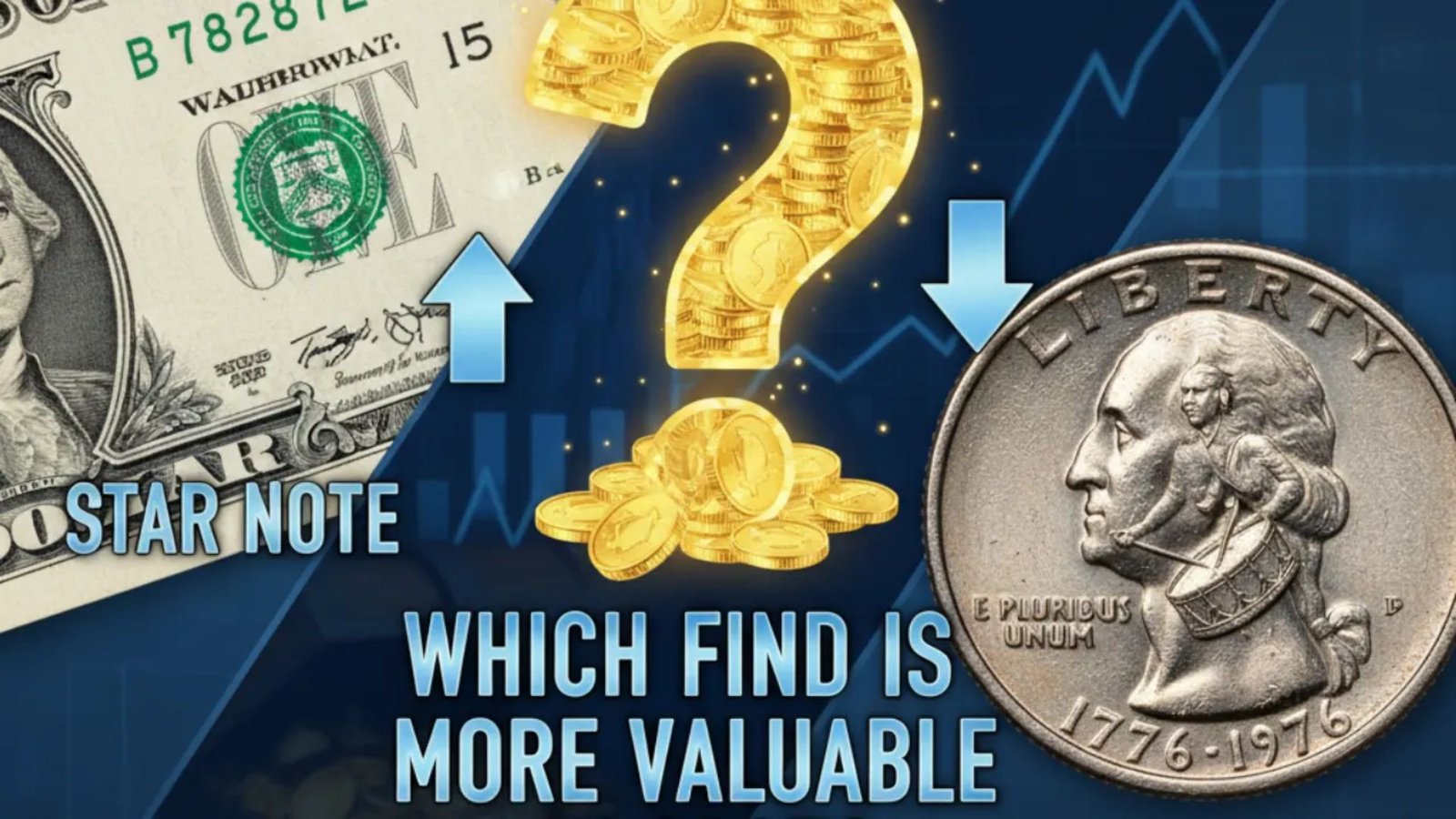
Two iconic U.S. coins that actually circulated (and still do!): the golden Sacagawea dollar (2000–present) and the 1975–1976 Bicentennial quarter with the drummer boy on the back. Both celebrate huge moments in American history and look way cooler than regular change.
The Sacagawea Dollar: A Quick History
Launched in 2000 to replace the Susan B. Anthony dollar, the Sacagawea “golden dollar” features the young Shoshone woman who guided Lewis and Clark, with her baby on her back. The golden color (manganese brass) makes it pop in your hand.
The Bicentennial Quarter: How 1976 Changed Quarters Forever
For America’s 200th birthday, the U.S. Mint put a colonial drummer on the reverse and dual-dated them “1776–1976.” Over 1.6 BILLION were made, but they still feel special 50 years later.
Side-by-Side Comparison
| Feature | Sacagawea Dollar | Bicentennial Quarter |
|---|---|---|
| Years Minted | 2000–present | 1975–1976 |
| Metal | Manganese brass (golden) | Cupro-nickel (silver color) |
| Diameter | 26.5 mm | 24.3 mm |
| Face Value | $1 | $0.25 |
| Design Highlight | Sacagawea + baby | Colonial drummer |
| Total Mintage | ~5+ billion | 1.69 billion |
| Still in Circulation? | Yes | Yes |
Current Value & Rarity in 2025
| Coin | Circulated Value | Uncirculated (MS65+) | Rare Error Value |
|---|---|---|---|
| Common Sacagawea Dollar | $1–$2 | $5–$15 | $100–$10,000+ |
| Common Bicentennial Qtr | $0.25–$1 | $3–$8 | $50–$5,000+ |
| 2000-P Cheerios Sacagawea | — | $2,000–$15,000 | Ultra-rare promo |
| Silver Bicentennial Proof | — | $10–$25 | 40% silver version |
Why These Coins Still Matter Today
They’re tiny history lessons you can hold. Sacagawea celebrates Native American contributions. The Bicentennial quarter screams 1976 pride. Both remind us that everyday money can be beautiful.
Notable Facts You’ll Want to Know
- The Sacagawea dollar was the first U.S. circulating coin with a real Native American woman.
- Some 2000 Sacagawea dollars were hidden in Cheerios boxes—worth thousands today!
- Bicentennial quarters also came in 40% silver (proof & uncirculated sets only).
- In 2025, both coins still show up in change regularly.
Expert Tips for Finding & Keeping Them
- Check coin-star rejects and bank rolls—dealers often dump them.
- Look for the 2000-P or 2000-D Sacagawea with bold baby details (Cheerios pattern).
- Keep Bicentennial quarters in crisp condition; even MS-67 examples sell fast.
- Store in 2×2 cardboard flips—cheap and safe.
Frequently Asked Questions
Q: Are Bicentennial quarters rare?
A: Not really—1.6 billion were made—but high-grade or silver ones bring nice money.
Q: Is the Sacagawea dollar real gold?
A: Nope, just golden-colored manganese brass, but it fools everyone!
Q: Which is worth more today?
A: Usually the Sacagawea, especially errors and early dates.
Final Verdict – Which One Wins?
If you love Native American history and that gorgeous golden glow—the Sacagawea dollar wins hearts. If you grew up in the ’70s or just love patriotic vibes, the Bicentennial quarter still drums loud. Honestly? Keep both. They’re two sides of the same American story, and they cost almost nothing to save.
Now go dig through that change jar—you might already own a piece of circulating treasure! Which one is your favorite? Drop a comment below and let the coin community know!