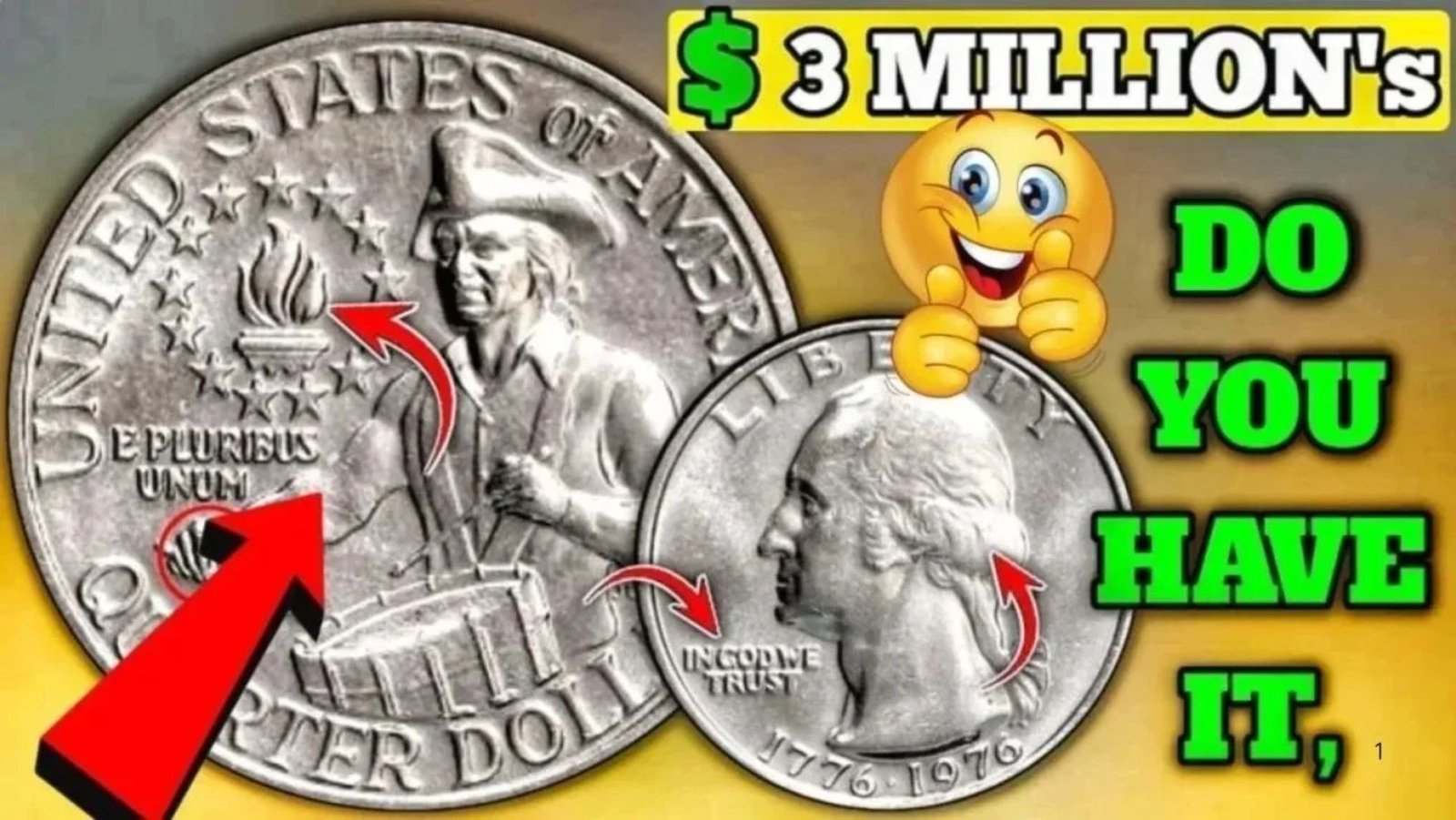
Imagine digging through your grandma’s old jar of loose change and pulling out a shiny quarter that could change your life. That’s the thrill of rare coin hunting! The 1976 Bicentennial Quarter, with its patriotic drummer boy design, is a favorite among hobbyists.
But while most are worth just 25 cents, a few rare versions pack a punch—potentially thousands, or in hyped stories, even millions. Stick around as we uncover how to spot these treasures and why they’re a must for any rare coin collection.
Introduction to the 1976 Bicentennial Quarter
The 1976 Bicentennial Quarter marks America’s 200th birthday. It features George Washington on the front and a marching drummer on the back, symbolizing the revolutionary spirit. Minted in huge numbers—over 1.6 billion total—these coins flooded pockets nationwide. Yet, in the world of rare coins, subtle differences turn everyday change into collector gold.
The History Behind This Iconic Coin
Back in 1975-1976, the U.S. Mint celebrated independence with special designs. The quarter joined the half-dollar and dollar in this series. Philadelphia, Denver, and San Francisco churned them out. Clad versions used copper-nickel; San Francisco added silver ones for sets. This burst of patriotism made the Bicentennial Quarter a snapshot of ’70s pride.
Why These Quarters Are So Valuable Today
In today’s market, rarity rules. High-grade silver proofs or error coins fetch top dollar from enthusiasts. While headlines hype $3 million jackpots, real sales hit $20,000 for pristine pieces. For rare coin lovers, these quarters blend history and hunt—perfect for building a portfolio that appreciates over time.
How to Spot a Rare 1976 Bicentennial Quarter
Grab a magnifying glass and check these spots. Look under Washington’s neck for the mint mark: no mark (Philadelphia), “D” (Denver), or “S” (San Francisco). Silver ones feel heavier and ring when flicked. Hunt for errors like doubled letters or off-center strikes. Clean, uncirculated shine boosts value big time.
| Mint Mark | Composition | Average Value (Circulated) | High-Grade Value (MS68+) |
|---|---|---|---|
| No Mark (P) | Clad | $0.25–$1 | $100–$500 |
| D | Clad | $0.25–$1 | $200–$6,000 |
| S | 40% Silver | $5–$10 | $50–$19,200 |
Notable Facts and Record Sales
Over 800 million Philadelphia quarters rolled out, but only a handful hit MS69 perfection. A 1976-S silver proof sold for $19,200 in 2019—77,000 times face value! Errors like the double die obverse have auctioned for $8,400. Fun stat: Fewer than 20 Denver MS68s exist, making them ultra-rare.
| Error Type | Description | Potential Value |
|---|---|---|
| Double Die Obverse | Doubled “Liberty” or Washington’s profile | $500–$8,400 |
| Off-Center Strike | Design shifted, missing edges | $100–$2,000 |
| Wrong Planchet | Struck on nickel or dime blank | $1,000–$10,000+ |
Expert Tips for Collectors
Start simple: Sort your change by date and mint. Store in albums to avoid scratches. Join forums like CoinTalk for swaps. Get pros to grade via PCGS or NGC—it skyrockets resale. Remember, patience pays; that “junk” box might hide a rare coin gem.
Frequently Asked Questions
Is every 1976 quarter valuable?
Nope, most are common. Focus on silver or errors for real worth.
How do I know if mine is silver?
It weighs about 6.25 grams and has an “S” mark. Test with a magnet—clad sticks slightly.
Where to sell a rare find?
Try Heritage Auctions or eBay, but authenticate first.
Can I find one in circulation?
Yes! Errors slipped through and still pop up in pocket change.
What’s the rarest Bicentennial Quarter?
High-grade silver proofs with cameo finishes top the list.
In the end, the 1976 Bicentennial Quarter isn’t just loose change—it’s a piece of history waiting to sparkle in your rare coin collection. Whether you’re a newbie hobbyist or seasoned hunter, spotting these could uncover hidden wealth. Dust off that coin jar today, share your finds with friends, and dive deeper into numismatics. Who knows? Your next quarter might be the one. Happy hunting!