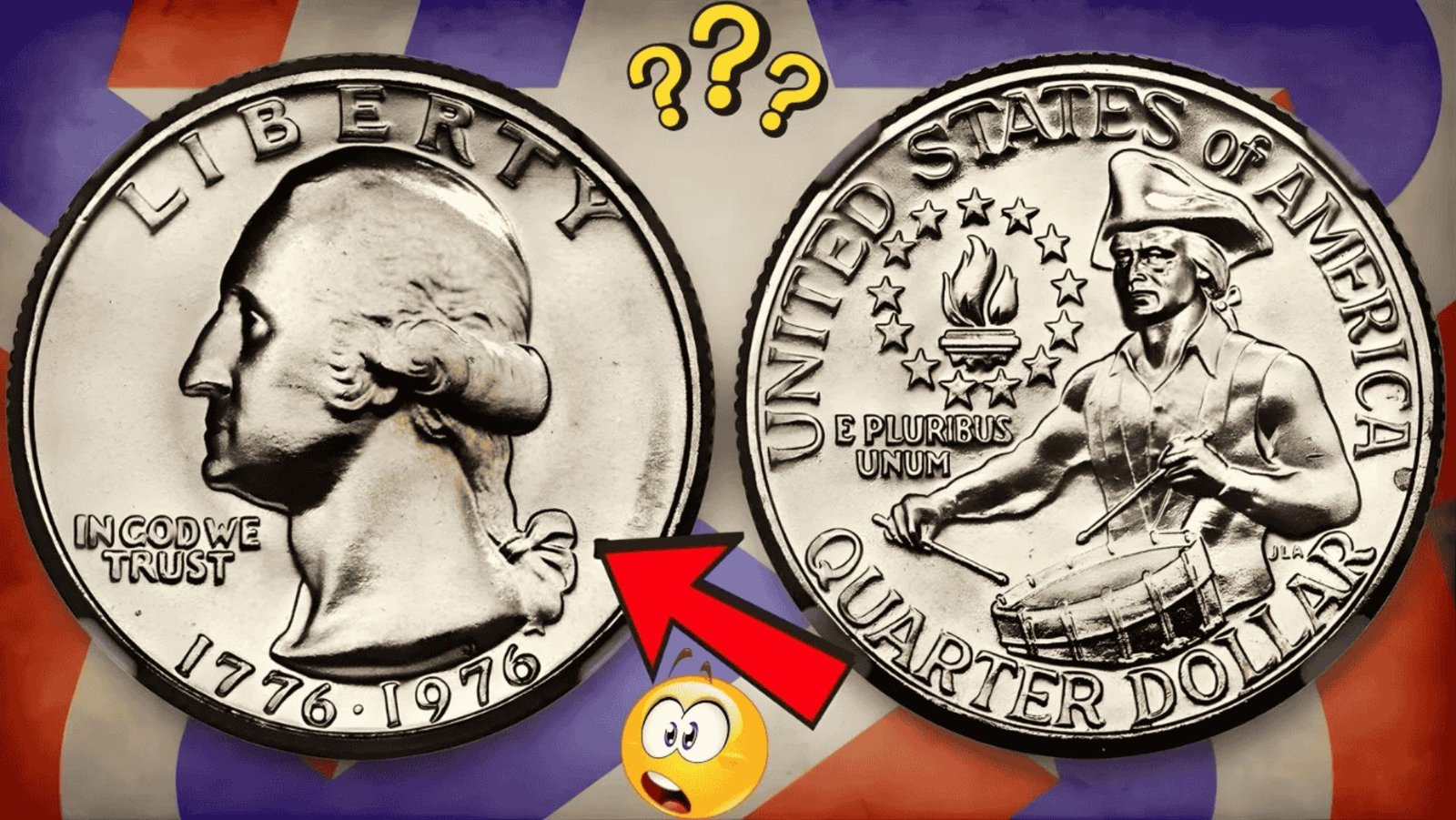
Imagine digging through your grandma’s old coin jar and pulling out a shiny quarter that could pay off your car. That’s the thrill of the 1976 Bicentennial quarter. Minted for America’s 200th birthday, most are worth just 25 cents. But a few rare gems? They fetch thousands. Stick around to learn how to spot one and turn pocket change into treasure.
What Is the 1976 Bicentennial Quarter?
The 1976 Bicentennial quarter honors the U.S. Declaration of Independence. It features George Washington on the front, like regular quarters. Flip it over, and you’ll see a drummer boy, victory torch, and wreath—symbols of revolution.
These special coins bear dual dates: 1776-1976. Over 1.6 billion were made, so they’re common. But errors or silver versions make some rare 1976 Bicentennial quarters stand out.
A Quick Dive into Its History
In 1975-1976, the U.S. Mint celebrated the bicentennial with new designs. The reverse, by Dennis R. Williams, shows a young drummer marching to freedom. It replaced the eagle for one year only.
Minted in Philly, Denver, and San Francisco. Clad versions used copper-nickel. San Francisco added 40% silver proofs for collectors. This mix of history and patriotism fuels their appeal today.
Why It’s Hot in Today’s Coin Market
Coin collecting booms with folks seeking affordable history. A rare 1976 Bicentennial quarter taps into nostalgia and rarity. High-grade or error coins draw big bids at auctions.
In 2025, values rise with inflation and collector demand. While most sit at face value, top finds hit five figures—perfect for hobbyists building portfolios.
How to Hunt for Valuable Ones
Start simple: Check your change or family heirlooms. Look for the “S” mint mark under the date for silver potential. Weigh it—silver ones tip 5.67 grams, heavier than clad.
Examine edges for copper streaks (clad) vs. solid silver. Use a magnifying glass for errors like doubled letters. Apps like CoinSnap help grade from home.
Record-Breaking Sales and Fun Facts
Did you know over 800 million Philly quarters rolled out? Yet errors are unicorns.
| Rare Variety | Key Feature | Record Sale Price | Year Sold |
|---|---|---|---|
| 1976-S Silver Business Strike | 40% Silver, MS69 Grade | $19,200 | Recent Auction |
| Double Die Obverse (DDO) | Doubled “LIBERTY” | $8,400 | 2023 |
| Struck on Dime Planchet | Wrong Size/Error | $9,200 | 2020 |
| Silver Proof Deep Cameo | Mirror-Like Finish | $2,760 | 2007 |
Fun fact: San Francisco minted just 11 million silver uncirculated ones—rarer than gold!
| Mint | Mintage (Clad) | Base Value | Silver Mintage |
|---|---|---|---|
| Philadelphia (No Mark) | 809M | $0.25 | N/A |
| Denver (D) | 860M | $0.25-$1 | N/A |
| San Francisco (S) | Proofs Only | $5-$10 | 4M Proofs |
Pro Tips from Coin Experts
Don’t clean coins—it scratches value. Store in albums, away from air. Join clubs like ANA for swaps.
Get professional grading from PCGS or NGC. It boosts resale. Start small: Buy a roll of quarters for $10 and inspect.
Hunt estate sales for overlooked gems. Patience pays—many treasures hide in plain sight.
Frequently Asked Questions
Is my 1976 quarter silver?
Check the “S” mark and edge color. No copper ring? Likely silver.
What’s the average bicentennial quarter value?
Circulated: 25 cents. Uncirculated: $1-5. Errors: Hundreds to thousands.
Where to sell a rare find?
eBay for quick cash, Heritage Auctions for max value.
Are fakes common?
Yes, but genuine errors have crisp details. Consult experts.
Can kids collect these?
Absolutely! It’s a fun, educational hobby.
In wrapping up, the rare 1976 Bicentennial quarter blends history with hidden fortune. From common change to auction stars, spotting one sparks joy. Grab that magnifier, check your stash, and dive into coin collecting. Share your finds below—who knows, your quarter might be next big score!