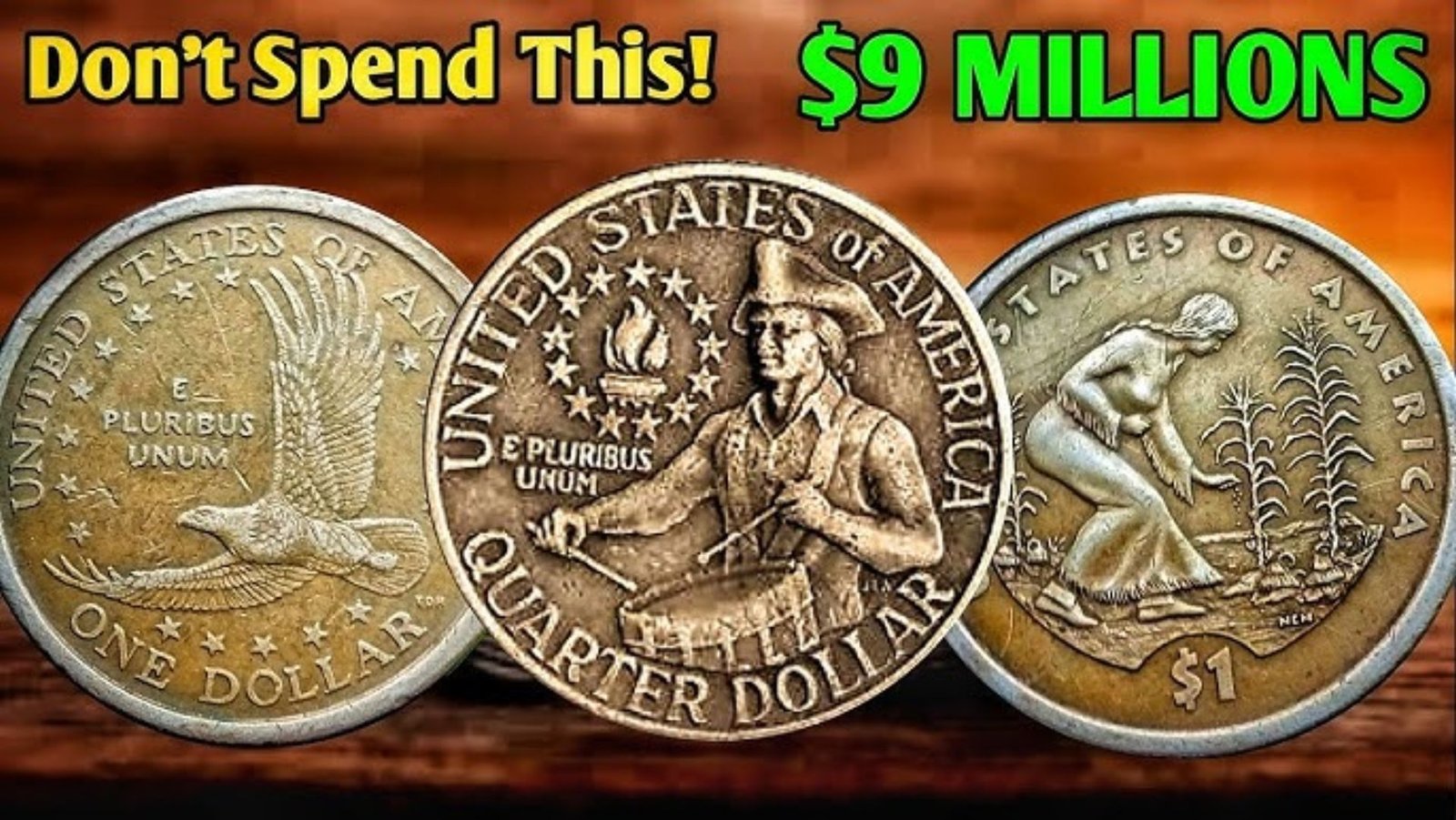
Imagine digging through your grandma’s old coin jar and pulling out a shiny dollar that could fund your dream vacation. That’s the thrill of rare coins! In the world of numismatics, Sacagawea dollars and Bicentennial quarters hide treasures worth thousands. Stick around as we uncover three game-changers that hobbyists are hunting. You’ll learn their stories, values, and how to spot them—perfect for any rare coin enthusiast.
What Are These Rare Sacagawea and Bicentennial Coins?
Rare Sacagawea coins honor the Shoshone guide from Lewis and Clark’s expedition. Minted since 2000, they’re golden beauties with her face and baby on one side. But not all are equal—varieties like the Cheerios edition stand out.
Bicentennial coins celebrate America’s 200th birthday in 1976. Think quarters with a drummer boy and torch. Most are common, but silver proofs? They’re the unicorns of rare coins.
Our top three: the 2000-P Cheerios Sacagawea, 2000-P Wounded Eagle Sacagawea, and 1976-S Silver Bicentennial Quarter. Each packs a punch for collectors.
A Quick History Lesson
The Sacagawea dollar launched in 2000 to replace the Susan B. Anthony. It aimed for everyday use but became a collector’s darling. The Cheerios version? A promo with General Mills—only 5,500 made.
Bicentennial coins hit in 1975 for ’76 release. The quarter shows a colonial drummer; the S-mint silver ones were in special sets. Errors and high grades turned them into rare coin legends.
These pieces aren’t just metal—they’re time capsules of American grit.
Why They’re Hot Collectibles Today
In today’s market, rare Sacagawea coins fetch big bucks due to low mintages and cool stories. The Cheerios can hit $60,000 at auction! Bicentennial quarters shine in silver form, with top examples over $19,000.
Inflation-proof investments? Absolutely. As hobbyists flock to tangible assets, these valuable rare coins offer fun and profit.
| Coin | Key Feature | Recent Auction High |
|---|---|---|
| 2000-P Cheerios Sacagawea | Soaring eagle reverse | $60,000 |
| 2000-P Wounded Eagle Sacagawea | Die gouge “injury” on eagle | $5,000+ |
| 1976-S Silver Bicentennial Quarter | Proof silver, MS69 grade | $19,200 |
Hunt, Collect, and Cash In
Start simple: Check your change for that telltale “P” mint mark or eagle details. Join clubs like the American Numismatic Association for swaps.
To benefit? Grade yours via PCGS or NGC—boosts value instantly. Sell on eBay or at shows for quick cash. It’s a hobby that pays dividends.
| Pros of Collecting These Rare Coins | Cons |
|---|---|
| Potential high returns | Requires research to spot fakes |
| Historical storytelling | Storage needs (albums, slabs) |
| Community fun at meets | Market fluctuations |
Mind-Blowing Facts and Auction Highs
Only 5,500 Cheerios Sacagawea dollars exist—rarer than a hen’s teeth! The Wounded Eagle? A mint flaw that collectors love.
Bicentennial silver quarters: Over 5 million struck, but perfect gems? Under 100 known. One sold for $45,000 in pristine shape.
Stats show rare coin values up 15% yearly—better than stocks for some.
Pro Tips from Coin Pros
Examine under magnification: Look for the Cheerios eagle’s tail feathers. For Bicentennial, verify silver content with a magnet (it won’t stick).
Buy certified to avoid duds. Start small—$20 gets you in. And always, insure your stash!
FAQs: Your Burning Questions Answered
How do I know if my Sacagawea is rare?
Check for promo marks or die varieties. Use online guides.
Are Bicentennial coins still being made?
No, but fakes pop up—stick to trusted sellers.
What’s the easiest way to sell?
Auction houses for big wins, local shops for speed.
There you have it—three rare Sacagawea and Bicentennial coins that could turn pocket change into a windfall. Whether you’re a newbie hobbyist or seasoned collector, these gems remind us history’s worth more than face value. Dig through that drawer today, share your finds below, and subscribe for more rare coin secrets!