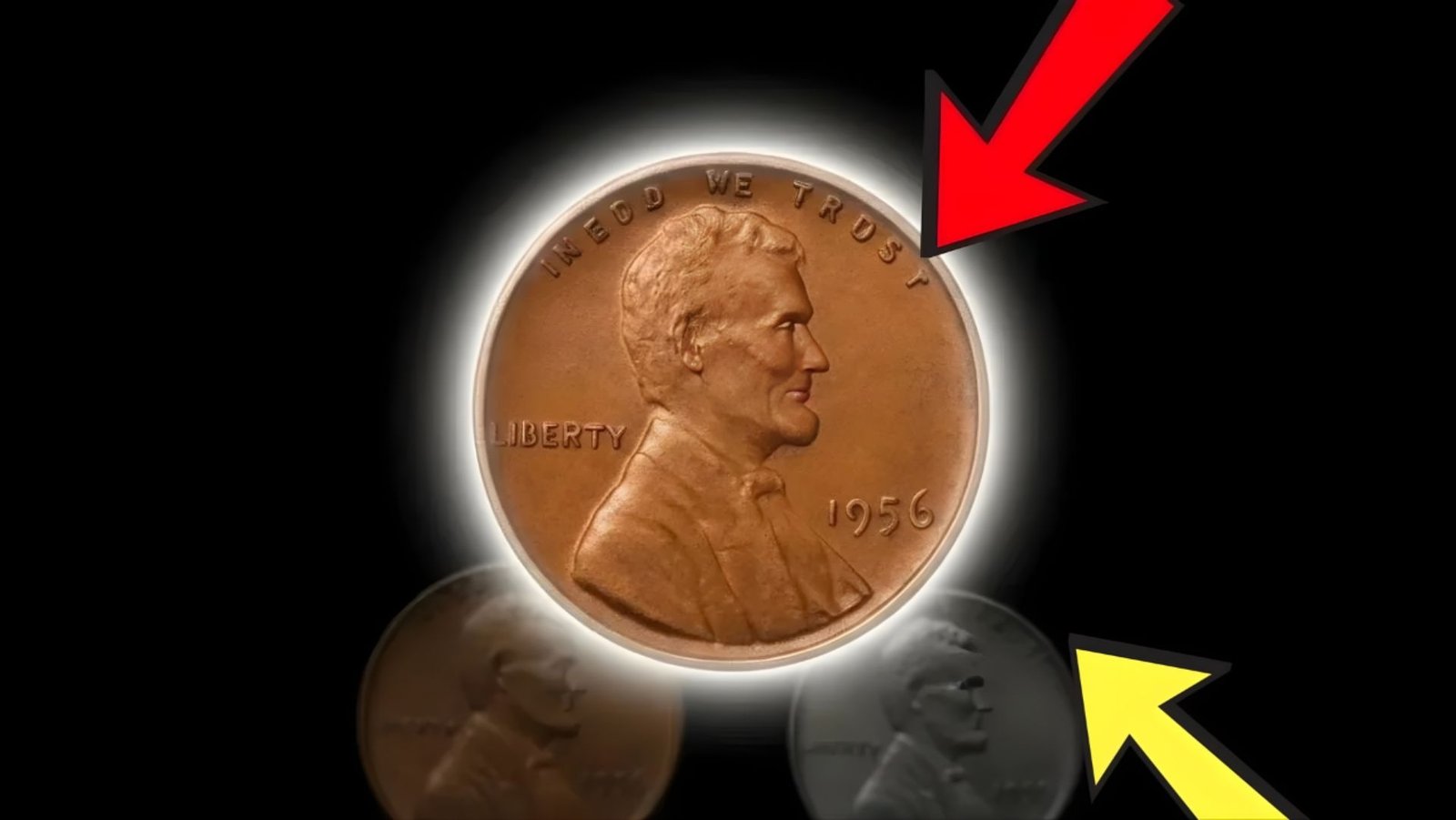
Ever rummaged through a jar of old coins and dreamed of striking gold? Wheat pennies—those classic Lincoln cents with the iconic wheat stalks on the back—have turned everyday finds into collector’s gold. Over the last decade, from 2015 to now in 2025, their wheat penny worth has soared, especially as stimulus checks during tough times sparked a hobby boom.
Many folks used that extra cash to dive into coin collecting, turning pennies into real investments. Stick around, and I’ll guide you through the trends, tips, and treasures that’ll make you rethink your loose change.
What Are Wheat Pennies?
Wheat pennies are the U.S. one-cent coins minted from 1909 to 1958. Featuring Abraham Lincoln’s profile on the front and two wheat stalks on the reverse, they’re a nod to America’s agrarian roots. Simple, right? But their wheat penny worth through the last 10 years has made them a hobbyist’s dream.
These aren’t just pocket fillers. In circulated shape, most fetch a few cents to a dollar. But pristine ones? They climb into hundreds—or thousands—for rarities.
A Quick History of These Timeless Coins
Born in 1909 to honor Lincoln’s centennial, wheat pennies rode waves of history. World Wars boosted production, leading to errors like the famous 1955 doubled die. By 1958, the design retired for the Lincoln Memorial.
Over the last decade, nostalgia fueled a revival. Post-2015, online auctions exploded, tracking wheat penny value last 10 years with steady climbs.
Why Wheat Penny Value Matters Today
In 2025, with inflation biting, wheat pennies offer a fun hedge. Stimulus checks from 2020-2022? They supercharged collecting. Newbies poured cash into sets, driving up demand.
Today, common dates hold steady, but keys like the 1909-S VDB? Their value doubled since 2015. It’s accessible wealth—start with pocket change, end with profit.
How to Hunt and Profit from Wheat Pennies
Ready to join the fun? Check grandma’s cookie jar or estate sales. Use stimulus check savings to buy rolls from banks—$25 gets 50 coins.
Grade them via apps or clubs. Sell on eBay or at shows. Pro tip: Hold for appreciation; wheat penny worth trends upward.
Benefits? Low entry, high thrill. Turn a hobby into side cash.
Eye-Opening Stats and Records
Wheat pennies have records that’ll wow you. Here’s a snapshot of trends:
| Year | Circulated Value | Uncirculated Value | Rare Example Value |
|---|---|---|---|
| 2015 | $0.05–$0.25 | $1–$3 | $500–$2,000 |
| 2019 | $0.15–$0.60 | $3–$7 | $600–$2,500 |
| 2021 | $0.10–$0.50 | $5–$30 | $700–$3,000 |
| 2025 | $0.30–$1.50 | $6–$15 | $800–$5,000+ |
Source: Auction data trends.
And top sellers? The 1943 copper penny hit $1.7 million in 2010, but recent flips show +80% gains for 1922 No D since 2015.
| Rare Wheat Penny | 2015 Value | 2025 Value | Appreciation |
|---|---|---|---|
| 1909-S VDB | $350–$5,500 | $630–$9,900 | +80% |
| 1914-D | $2,000 | $4,000–$6,000 | +100–200% |
| 1955 Doubled Die | $1,000–$2,000 | $1,800–$3,600 | +80% |
These stats scream opportunity!
Pro Tips from Coin Pros
Hunt mornings at flea markets—sellers are fresh. Store in albums, not jars, to preserve shine.
Avoid cleaning; it tanks value. Join forums like PCGS for free advice. And with stimulus-inspired budgets, set a $50 monthly hunt fund.
Experts say: Focus on 1910s dates for bang-for-buck growth.
Frequently Asked Questions
What’s the average wheat penny worth today?
Around $0.50 circulated, up to $10 uncirculated.
Did stimulus checks boost wheat penny values?
Yes! 2020 surges saw 30% more sales as hobbyists invested relief funds.
How do I spot a rare one?
Look for errors like no mint mark or doubled letters—use a magnifier.
Are wheat pennies still being made?
No, ended in 1958, but that’s what makes them collectible gold.
Wrapping It Up: Your Wheat Penny Adventure Awaits
From humble 2015 values to 2025 windfalls, wheat pennies prove small coins pack big dreams. Whether sparked by stimulus checks or sheer curiosity, this hobby blends fun with finance. Grab a magnifying glass, scan your spares, and who knows? Your next find could fund a vacation. Share your hauls in comments, explore more coin guides, or subscribe for treasure tips. What’s your penny story?