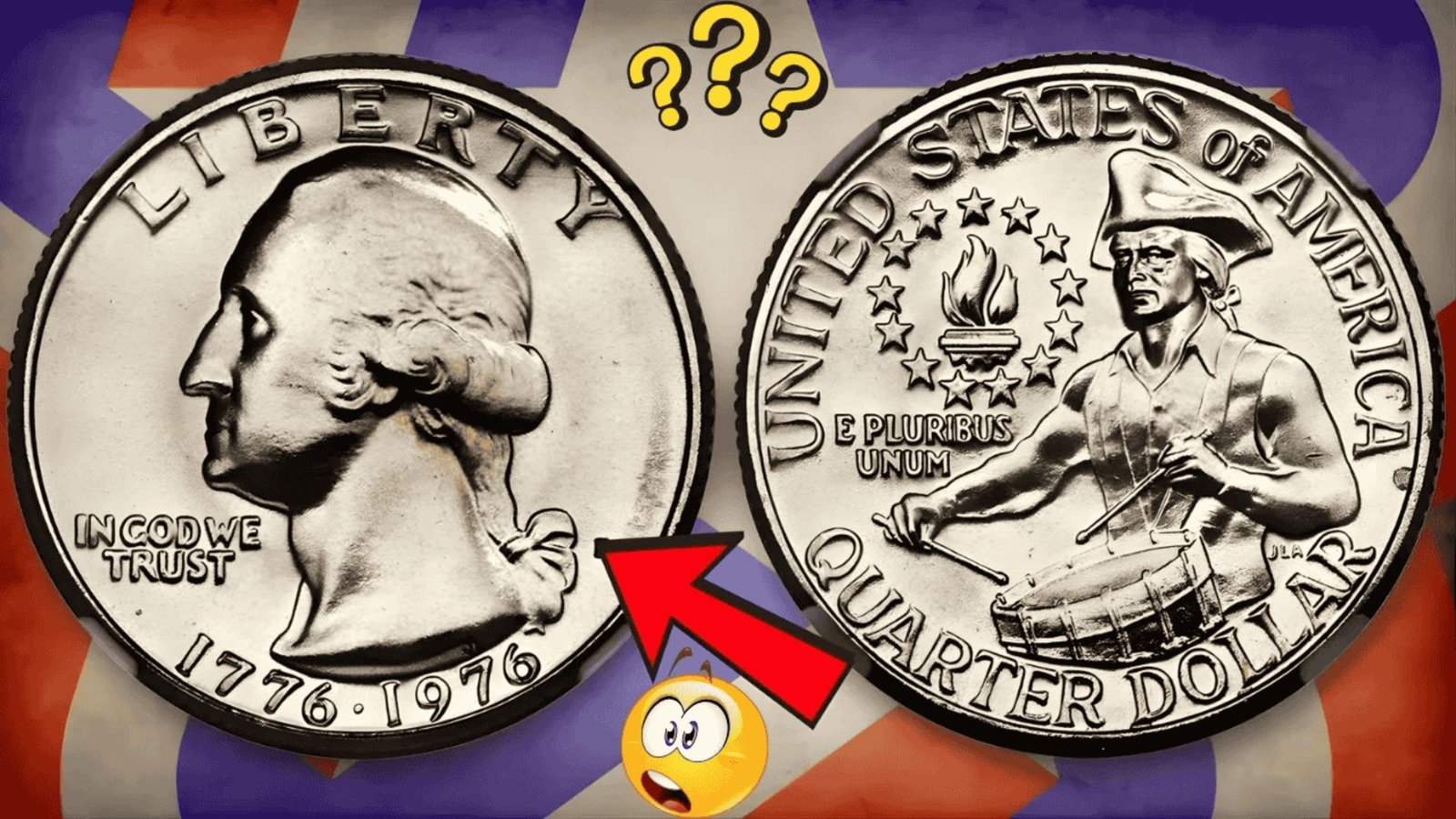
Hey there, coin hunters! Picture this: You’re digging through Grandma’s old jar of loose change, and bam—a shiny 1976 Bicentennial Quarter catches your eye. Most are just 25 cents, but what if yours is one of the ultra-rare gems fetching up to $4 million at auction? In today’s hot rare coin market, spotting these treasures could change your life. Stick around as we uncover the history, secrets, and tips to turn pocket change into a payday. You’ll walk away knowing exactly what to look for—and why it’s never been a better time to hunt.
What Is the 1976 Bicentennial Quarter?
The 1976 Bicentennial Quarter is a special U.S. coin celebrating America’s 200th birthday. It features George Washington on the front, but the back swaps the eagle for a marching drummer boy, torch, and stars—pure patriotic flair. Dated 1776-1976, it’s a time capsule in copper-nickel clad or 40% silver. Over 1.6 billion were minted, but most are common. The rare ones? Errors or pristine condition make them legendary rare coins.
A Quick History
Flash back to 1975: Congress greenlights a coin redesign for the big bicentennial bash. The U.S. Mint ramps up production in Philadelphia (no mark), Denver (D), and San Francisco (S). They flood the market to curb hoarding—smart move! Clad versions hit pockets nationwide; silver proofs went to collectors. By 1976, these quarters jingled in every parade. Today, they’re a fun nod to disco-era pride, but savvy hobbyists know the real story hides in minting mishaps.
Why It’s a Hot Commodity Today
In 2025’s booming rare coin market, Bicentennial Quarters shine brighter than ever. Inflation’s up, but so is collector demand—fueled by online auctions and shows like Heritage. A flawless error coin isn’t just history; it’s an investment beating stocks. With silver prices soaring, even base models gain value. Why now? Global interest in U.S. numismatics means your find could flip for thousands. Don’t sleep on this—markets shift fast!
How to Hunt for That Million-Dollar Find
Ready to play detective? Grab a magnifying glass and check your stash. Start with the obverse: Look for doubled lettering on “LIBERTY” or Washington’s hair—that’s the prized FS-101 doubled die obverse, a rare coin jackpot. Flip to the reverse: Spot off-center strikes, wrong planchet (copper instead of clad), or die cracks on the drummer. Inspect edges for pristine luster—no scratches! Use apps like PCGS CoinFacts for quick scans. If it’s silver (S mint, weighs heavier), jackpot. Pro move: Grade it via NGC or PCGS for max value.
| Feature | Common Bicentennial Quarter | Rare Variety (e.g., FS-101 DDO) |
|---|---|---|
| Doubling on “LIBERTY” | None | Clear, bold lines visible |
| Condition | Circulated, worn | MS67+ pristine, full luster |
| Mint Mark | P, D, or S (clad) | Often D or no mark with error |
| Base Value | 25¢ | $500–$4M (depending on grade) |
Mind-Blowing Facts and Stats
Did you know the Mint struck 860 million Denver quarters, yet only 13 hit MS68 grade? Wild! A 1976-D doubled die sold for $19,200 recently. Silver S proofs? Up to $45,000 in MS69. Errors like die caps fetch $2,880 easy. Fun stat: Survival rate for silver versions is just 9.5%—that’s rarer than a honest politician!
| Top Sales Highlights | Variety | Sale Price | Auction Date |
|---|---|---|---|
| Record Clad | 1976-D MS68 | $19,200 | 2023 |
| Silver Proof Gem | 1976-S MS69 | $45,000 | 2024 |
| Error Die Cap | 1976-D Obverse | $2,880 | Aug 2024 |
| Doubled Die | FS-101 MS67 | $1,300+ | Recent |
Pro Tips from Coin Pros
Listen up, friends: Store finds in soft flips, away from air—oxidation kills value. Join forums like CoinTalk for free ID help. Sell via eBay for quick cash or Heritage for big bucks. Track market trends on NumisMedia; values jumped 20% last year. And hey, if it’s a screamer, get it slabbed—certified rare coins sell 2x faster. Start small: Sort that change jar today!
Frequently Asked Questions
Q: Are all 1976 quarters silver?
A: Nope! Only San Francisco proofs pack 40% silver; most are clad copper-nickel.
Q: How do I spot a doubled die error?
A: Magnify the obverse—look for thick, doubled edges on letters or hair. Guides online confirm it.
Q: What’s the top value ever?
A: Up to $4M for ultra-rare errors in perfect grade, though $10K–$45K is more common for gems.
Q: Where to sell my rare coin?
A: Local shops for quick sales, or auctions like Stack’s Bowers for max dough.
There you have it—your roadmap to unearthing a 1976 Bicentennial Quarter that could rewrite your wallet’s story. These rare coins aren’t just shiny; they’re slices of history with real payoff potential. Key takeaway? Inspect every one, chase those errors, and dive into the hobby. Got a suspect in your pocket? Snap a pic and share in the comments—we’d love to hear your hunts! For more rare coin adventures, check our guides on error pennies or silver dollars. Happy hunting!