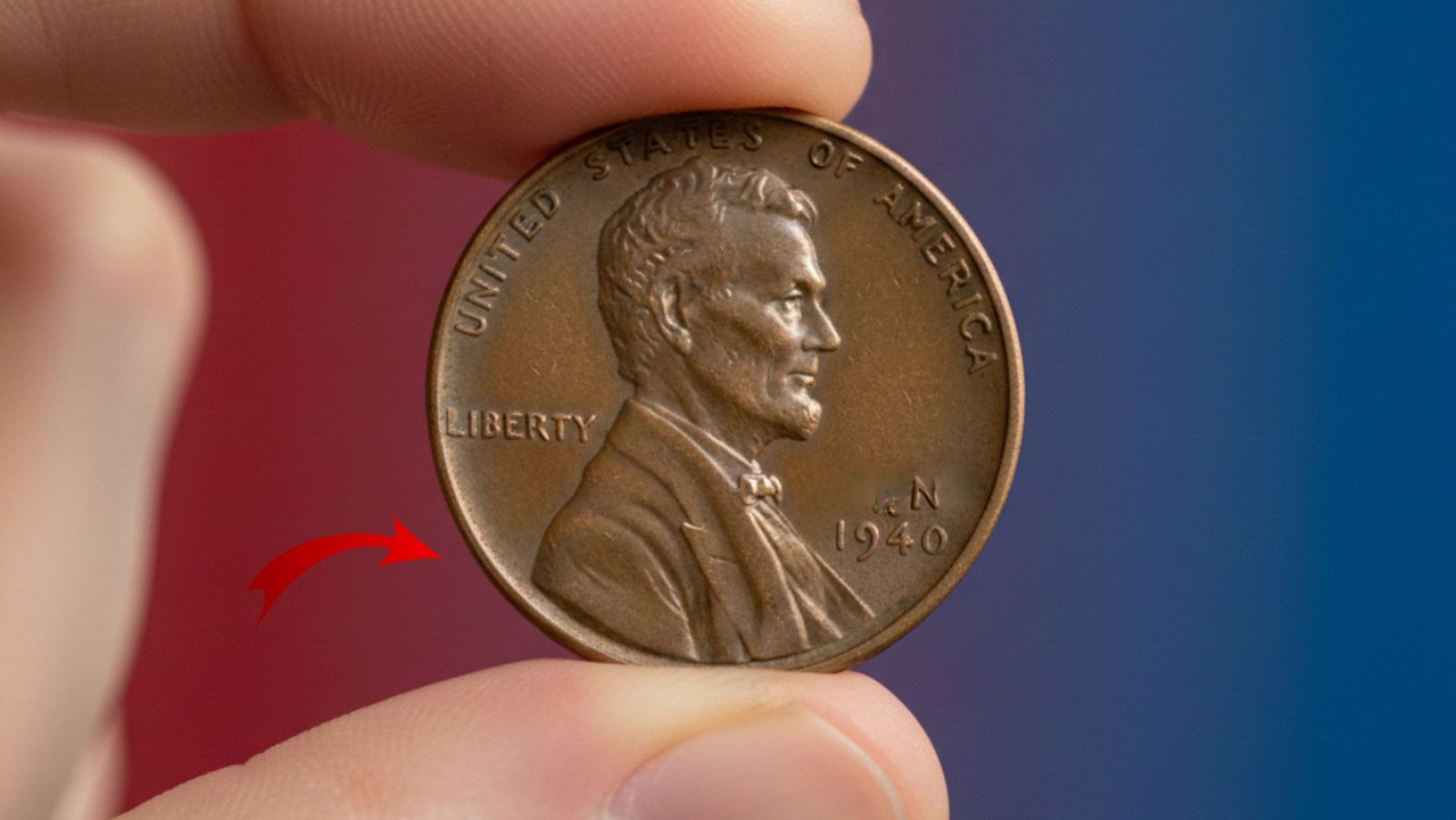
Ever dug through a jar of old coins and spotted that familiar wheat stalk design on a penny? What if that little copper piece from your grandma’s collection is secretly a rare gem worth thousands? Wheat penny values have skyrocketed for collectors, turning everyday finds into treasures. In this guide, we’ll dive into the history, hidden gems, and smart tips to boost your rare coin hobby. Stick around—you might just uncover your next big score.
What Are Wheat Pennies?
Wheat pennies, or Lincoln Wheat Cents, are those iconic one-cent coins minted from 1909 to 1958. Picture Abraham Lincoln’s profile on one side and two wheat stalks framing “One Cent” on the back. They’re the gateway to rare coin collecting—simple, affordable, and full of surprises.
These coins were made mostly of 95% copper, giving them that warm, reddish glow collectors love. Today, wheat penny values range from a few cents for common dates to six figures for rarities. If you’re new to the hobby, this is your starting line.
The Fascinating History of Lincoln Wheat Pennies
It all began in 1909, celebrating Lincoln’s 100th birthday. Sculptor Victor David Brenner designed the coin, making it the first U.S. circulating coin with a real president’s face. The wheat reverse symbolized America’s agricultural roots.
Production boomed through the years, but World War II shook things up—most 1943 pennies switched to steel for copper conservation. A few bronze errors slipped through, creating instant legends. By 1958, over 20 billion had been minted, but scarcity in certain years keeps wheat penny values climbing.
Why Wheat Penny Values Matter Today
In a world of digital cash, these tangible bits of history connect us to the past. Rare wheat pennies aren’t just money-makers; they’re stories on metal. Values have risen 20-50% in the last decade due to collector demand. Whether you’re hunting pocket change or building a set, understanding wheat penny values turns a hobby into a smart investment.
How to Start Collecting and Valuing Your Wheat Pennies
Grab a magnifying glass and sort by date and mint mark (look for S, D, or none under the date). Start small—common years like 1940s pieces cost under $1 in good shape. Use apps or sites like PCGS for quick checks.
To benefit, join local coin clubs or online forums. Selling? Auctions or dealers yield the best returns for high-grade coins. It’s fun, educational, and potentially profitable—perfect for hobbyists.
| Key Date | Mint | Good (G-4) Value | MS-65 Value | Notes |
|---|---|---|---|---|
| 1909-S VDB | S | $700 | $100,000+ | Rarest early issue |
| 1914-D | D | $150 | $10,000+ | Low mintage classic |
| 1922 Plain | None | $500 | $5,000 | No mint mark error |
| 1943 Bronze | Any | $14,000 | $1,750,000 | WWII rarity |
| 1955 Doubled Die | None | $1,000 | $100,000 | Obvious doubling |
Notable Rare Wheat Pennies and Record Sales
Did you know a 1943-D Bronze sold for $840,000 in 2021? Or that the 1909-S VDB hit $168,000 at auction? These stats highlight why rare wheat pennies draw crowds.
Over 20 billion minted, but just 1% fetch premium prices. Low-mintage years like 1931-S ($60 in good condition) add thrill to the hunt.
| Grading Scale | Description | Typical Wheat Penny Value Boost |
|---|---|---|
| Good (G-4) | Heavy wear, details visible | Base value +10-20% |
| Very Fine (VF-20) | Moderate wear, sharp features | +50-100% |
| Extremely Fine (EF-40) | Light wear, full details | +200%+ |
| Mint State (MS-65) | Uncirculated, gem quality | 10x+ base |
Expert Tips for Maximizing Wheat Penny Values
Never clean your coins—it kills the patina and slashes value by 50% or more. Store in albums, away from air. For grading, send top finds to NGC or PCGS pros.
Hunt estate sales or bank rolls for deals. Focus on red (original color) coins—they command 2-3x more. Patience pays; values rise with scarcity.
Frequently Asked Questions
What’s the rarest wheat penny?
The 1909-S VDB—fewer than 500 survive in top grades.
Are all wheat pennies valuable?
No, most circulated ones are worth 5-25 cents. Rarities and errors shine.
How do I grade my wheat penny?
Check wear: Heavy = Good; Sharp = Mint State. Use online guides or experts.
Should I sell my wheat pennies now?
If gem condition, yes—market’s hot. Otherwise, hold for appreciation.
Where to buy rare wheat pennies?
Try eBay, coin shows, or dealers like JM Bullion.
Wheat pennies aren’t just coins—they’re time capsules sparking joy in rare coin collecting. From humble beginnings to auction block stars, their values remind us history pays off. Grab your jar, check those dates, and start your adventure. Share your finds in the comments or explore our Lincoln Memorial cents guide next. Happy hunting!